


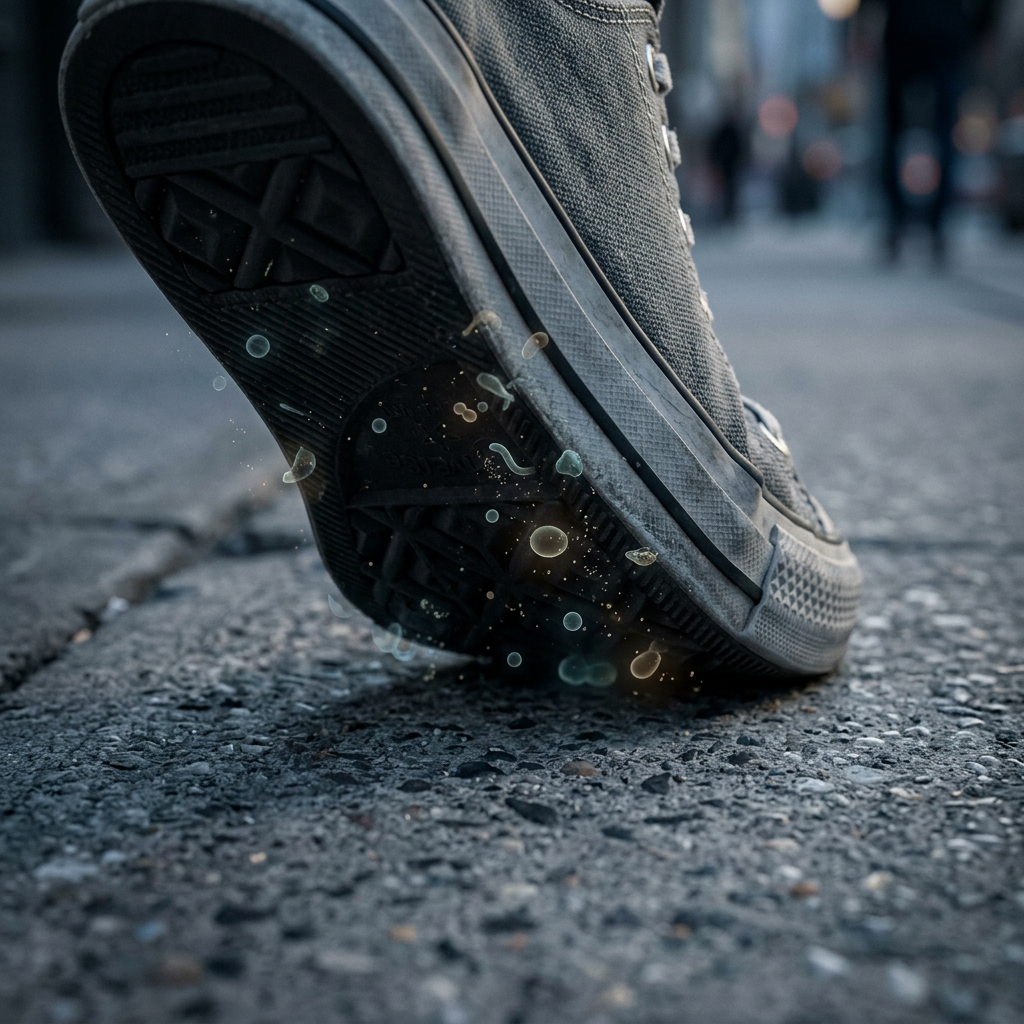
Where Fungi Are Found
Fungal organisms exist naturally in the world around us. They thrive in environments where people gather, move, and share spaces—often without us even realizing it.
Places like gyms, locker rooms, swimming pools, and public showers create ideal conditions for fungal spores to spread. These environments are warm, frequently damp, and exposed to constant foot traffic.
When these microscopic spores come into contact with footwear, they can easily attach to the surface and travel with you. From there, they are introduced into new environments—most commonly, the inside of your shoes.
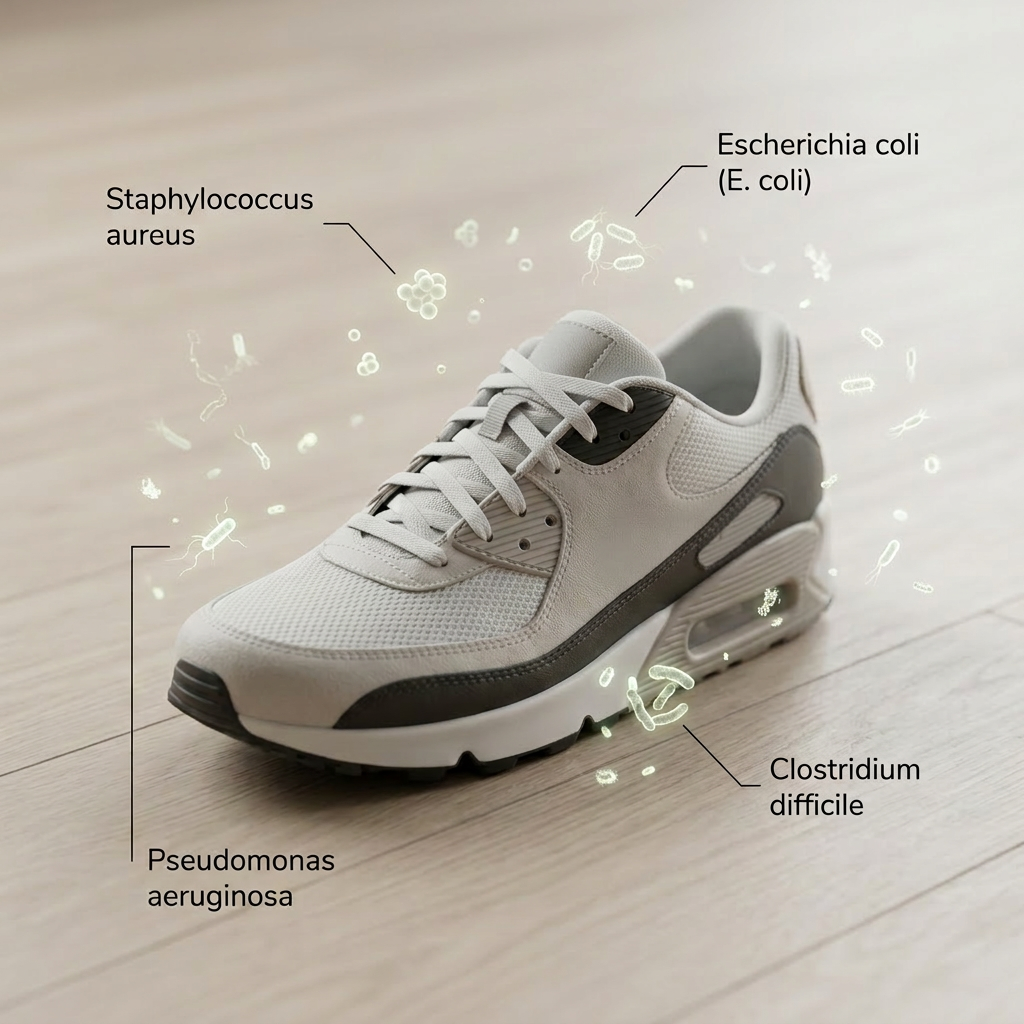
Why Shoes Encourage Fungal Growth
Footwear creates a uniquely favorable environment for fungal growth. Once spores enter the shoe, the conditions inside make it easy for them to persist and multiply over time.
With every wear, body heat raises the internal temperature, while natural perspiration introduces moisture. Combined with limited airflow and ventilation, this creates a closed environment where dampness can linger long after the shoes are taken off.
Over time, this combination of warmth, moisture, and low ventilation allows fungal spores to remain active between wears—making shoes one of the most common places for growth to occur.
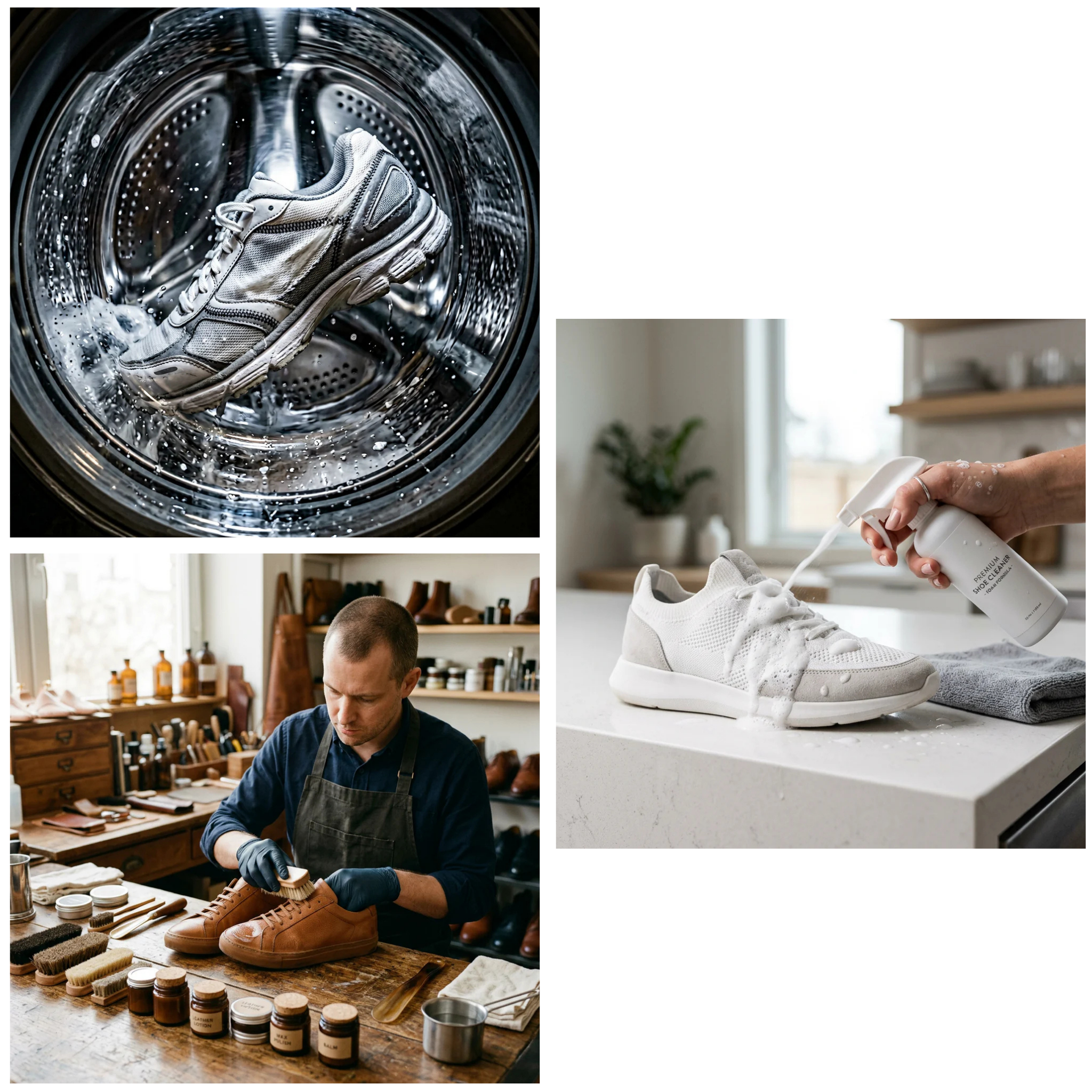
Athlete’s Foot
Athlete’s foot is one of the most common fungal infections worldwide, affecting millions of people each year.
It often begins subtly, with mild itching or irritation, but can progress into more noticeable symptoms such as burning sensations, cracked skin, and discomfort between the toes. While these symptoms can be treated on the skin with topical solutions, the underlying source is often overlooked.
If fungal spores remain inside footwear, they can continue to come into contact with the skin—creating a cycle where reinfection becomes more likely, even after treatment.
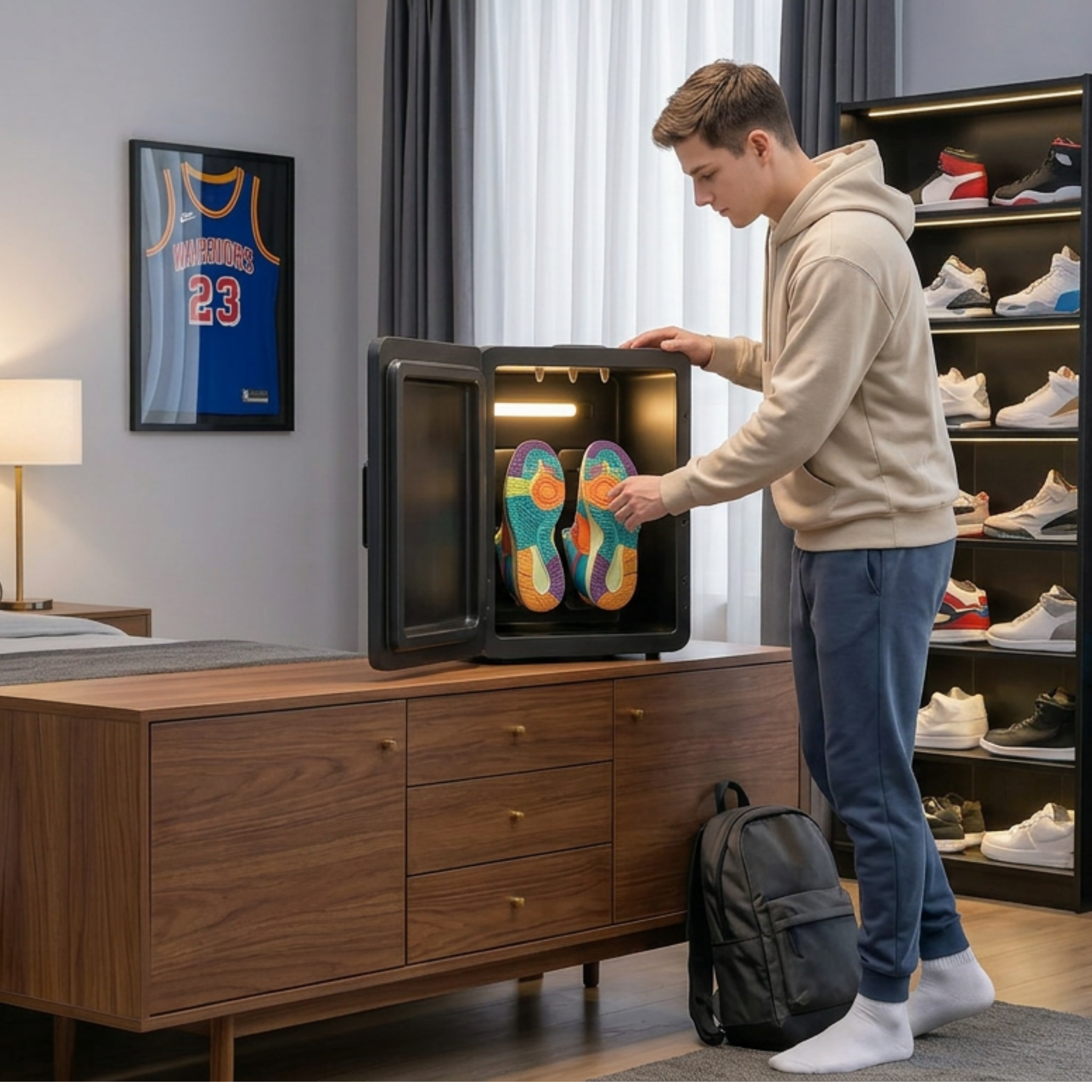
A Better Approach
Creating a healthier environment inside your shoes starts with addressing the conditions fungi depend on—primarily moisture and stagnation.
Allowing footwear to properly dry between wears and maintaining a fresher internal environment can significantly reduce the likelihood of buildup over time. Small, consistent habits play an important role in keeping shoes feeling clean and ready to wear.
Shoe Steamer is designed to support this process by helping reduce internal moisture and refresh the inside of footwear, making it easier to maintain a cleaner, more balanced environment day after day.
Related Reading

Protect Your Feet From Athlete’s Foot