
The Daily Footwear Care Routine Most People Ignore
Most people take care of their clothes after wearing them.
Shirts are washed. Jackets are hung. Delicate fabrics are steamed or pressed.
Garments are rarely worn repeatedly without some form of care between uses.
But shoes — which endure some of the harshest environments in everyday life — are often treated very differently.
Despite traveling through sidewalks, offices, public transportation, restaurants, and countless other environments, footwear is frequently worn again and again with little attention between wears.
Over time, that lack of maintenance can quietly affect the comfort, hygiene, and lifespan of the shoes we rely on every day.
Why Footwear Experiences More Stress Than Clothing
Footwear absorbs far more environmental stress than most garments.
During a typical day, shoes are exposed to:
• pavement and sidewalks
• public floors and transit systems
• dirt and environmental particles
• moisture from rain or humidity
• heat and perspiration from daily wear
While clothing often sits loosely on the body, shoes create a closed environment around the foot.
Inside that space, conditions can quickly change.
Heat builds from body temperature. Moisture accumulates from sweat. Airflow becomes limited within the materials of the shoe.
These conditions make footwear uniquely vulnerable to buildup between wears.
What Happens Inside Shoes Between Wears
At the end of the day, shoes rarely return to a neutral environment.
Instead, they often retain heat and moisture inside the materials.
During normal wear, footwear can absorb:
• moisture from perspiration
• environmental particles
• microbial contaminants from surfaces
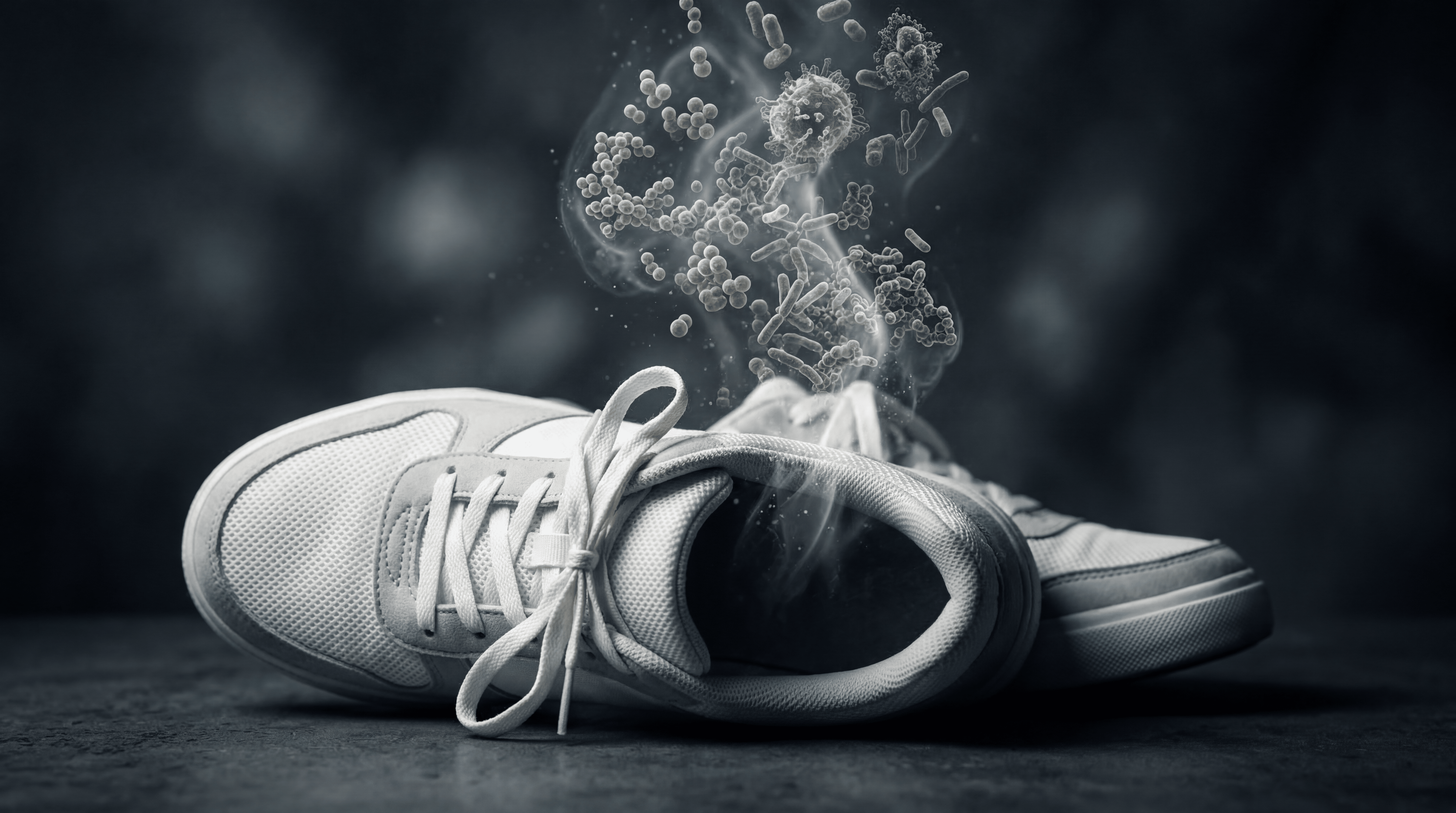
If shoes are worn again before they fully dry and air out, bacteria and microbes can begin multiplying within the interior materials.
Over time, this buildup can lead to several common problems.
The Long-Term Effects of Neglecting Footwear Care
When footwear is repeatedly worn without time to recover between uses, the internal environment of the shoe gradually changes.
Common effects include:
• Persistent odor caused by microbial activity
• Material fatigue as moisture weakens fibers and adhesives
• Reduced comfort from compressed or damp cushioning
• Shorter lifespan of the shoe overall
These issues rarely appear overnight.
Instead, they develop slowly as moisture and microbes accumulate over time.
Many people only notice the problem once odor becomes obvious or the materials begin to deteriorate.
Small Habits Make a Big Difference
Footwear professionals often recommend simple habits to maintain shoes between wears.
These include:
• allowing shoes time to dry
• storing footwear in ventilated areas
• rotating between pairs when possible
These small steps help reduce the moisture and microbial buildup that naturally occurs during daily wear.
By maintaining the internal environment of the shoe, it becomes easier to preserve both comfort and material integrity over time.
Turning Shoe Care Into a Daily Ritual
While simple habits can help, many people still overlook footwear care in their daily routine.
Clothing care has long been built into everyday life.
Garments are washed, hung, or steamed before the next wear.
But footwear rarely receives the same attention.
A growing number of people are beginning to treat shoe care differently — incorporating it into a consistent daily routine.
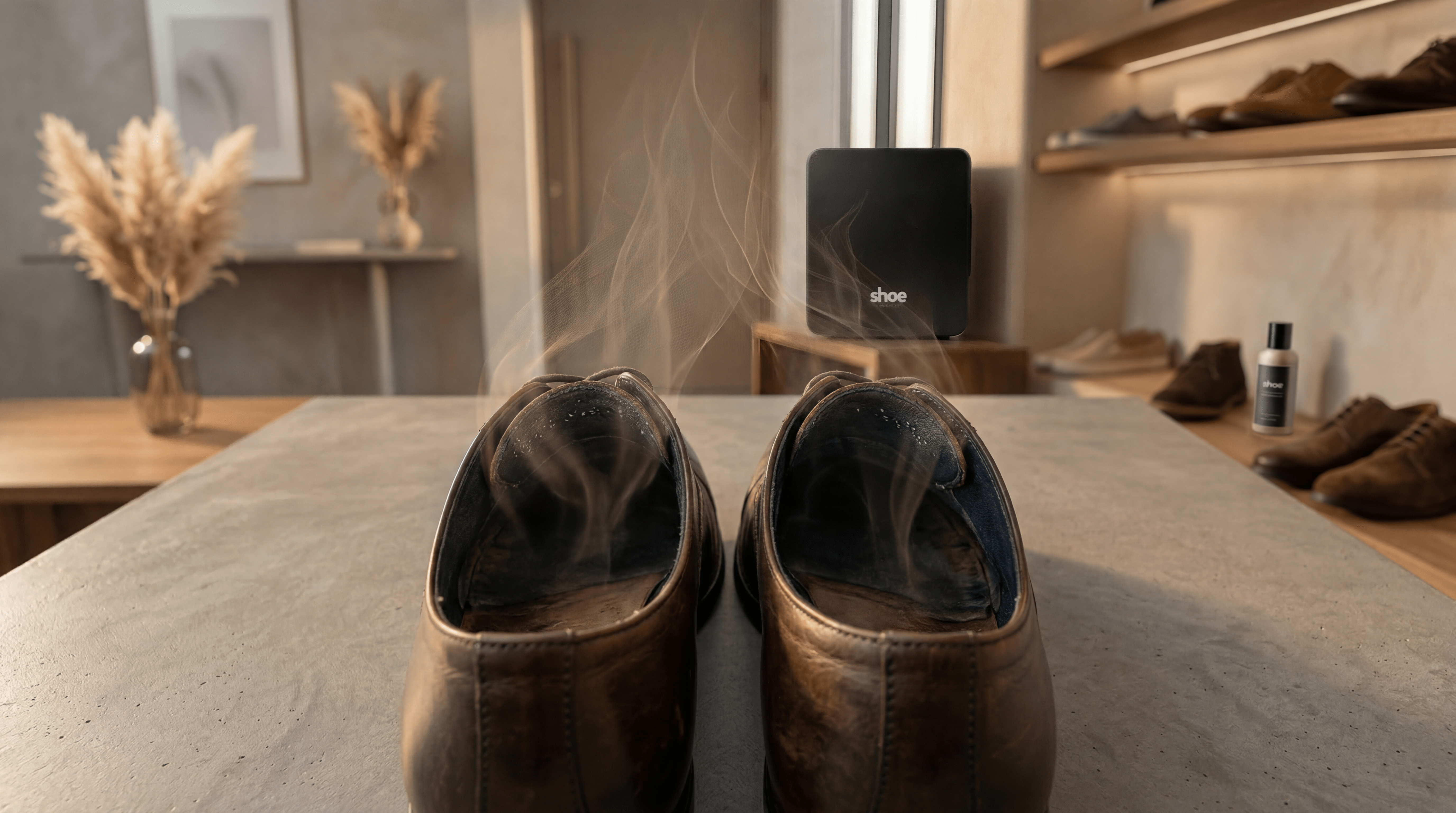
Refreshing footwear between wears helps maintain hygiene, reduce moisture, and keep materials in better condition.
A Modern Approach to Footwear Care
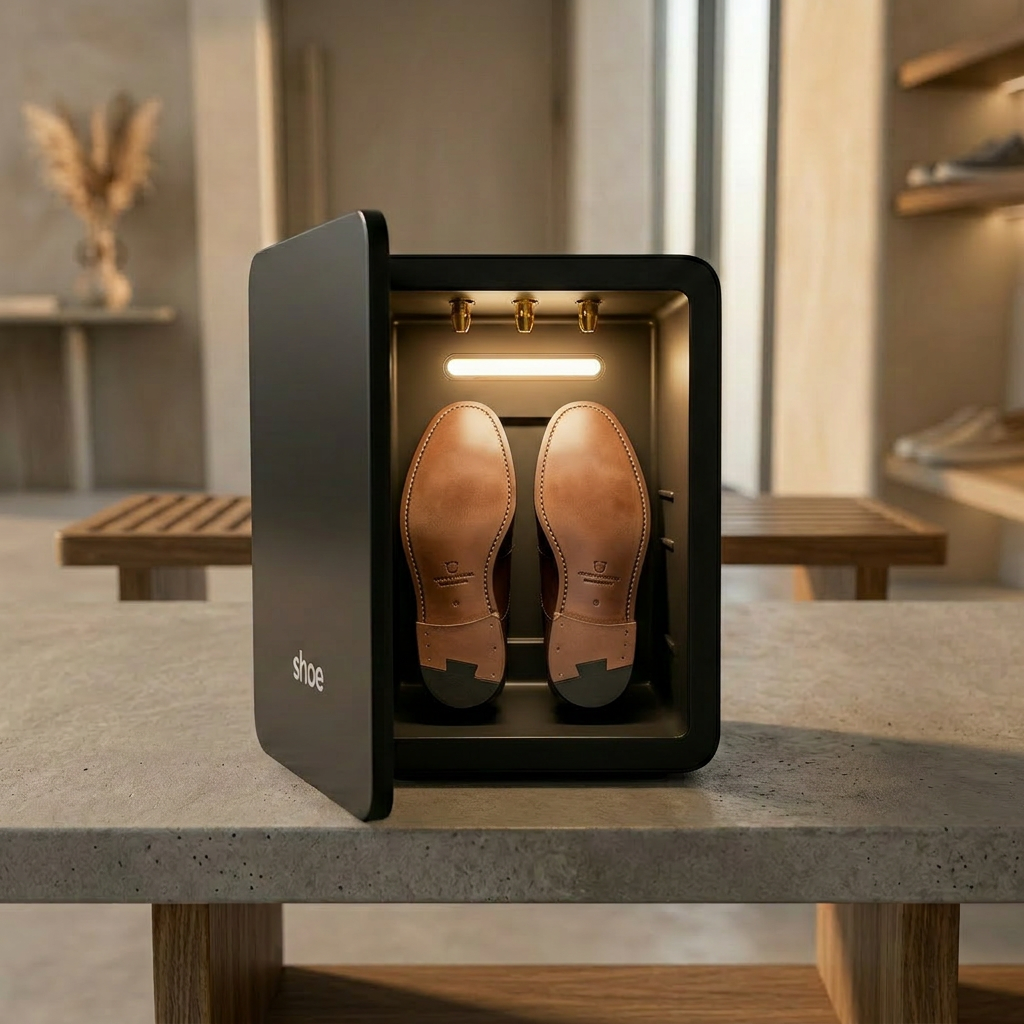
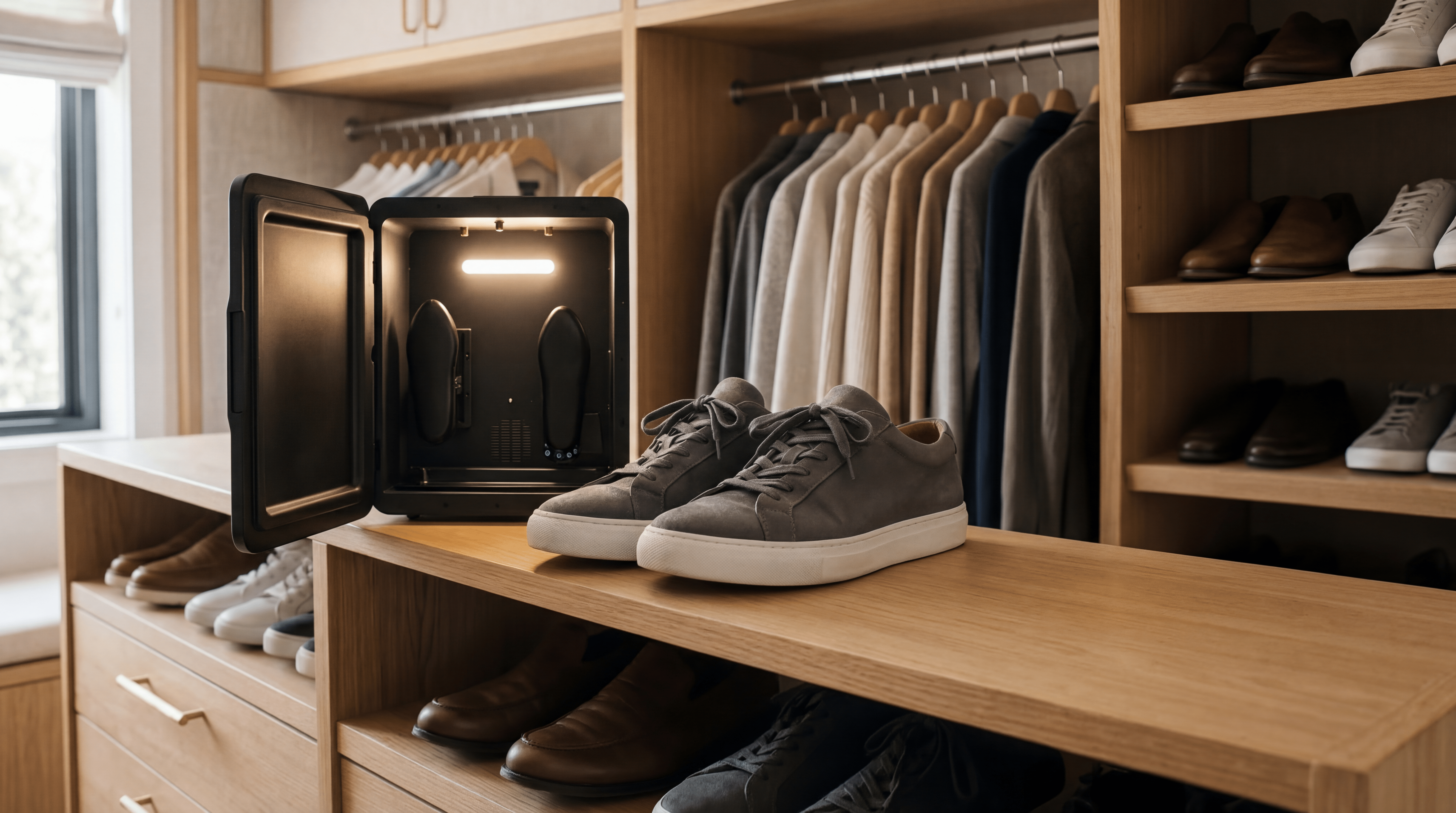
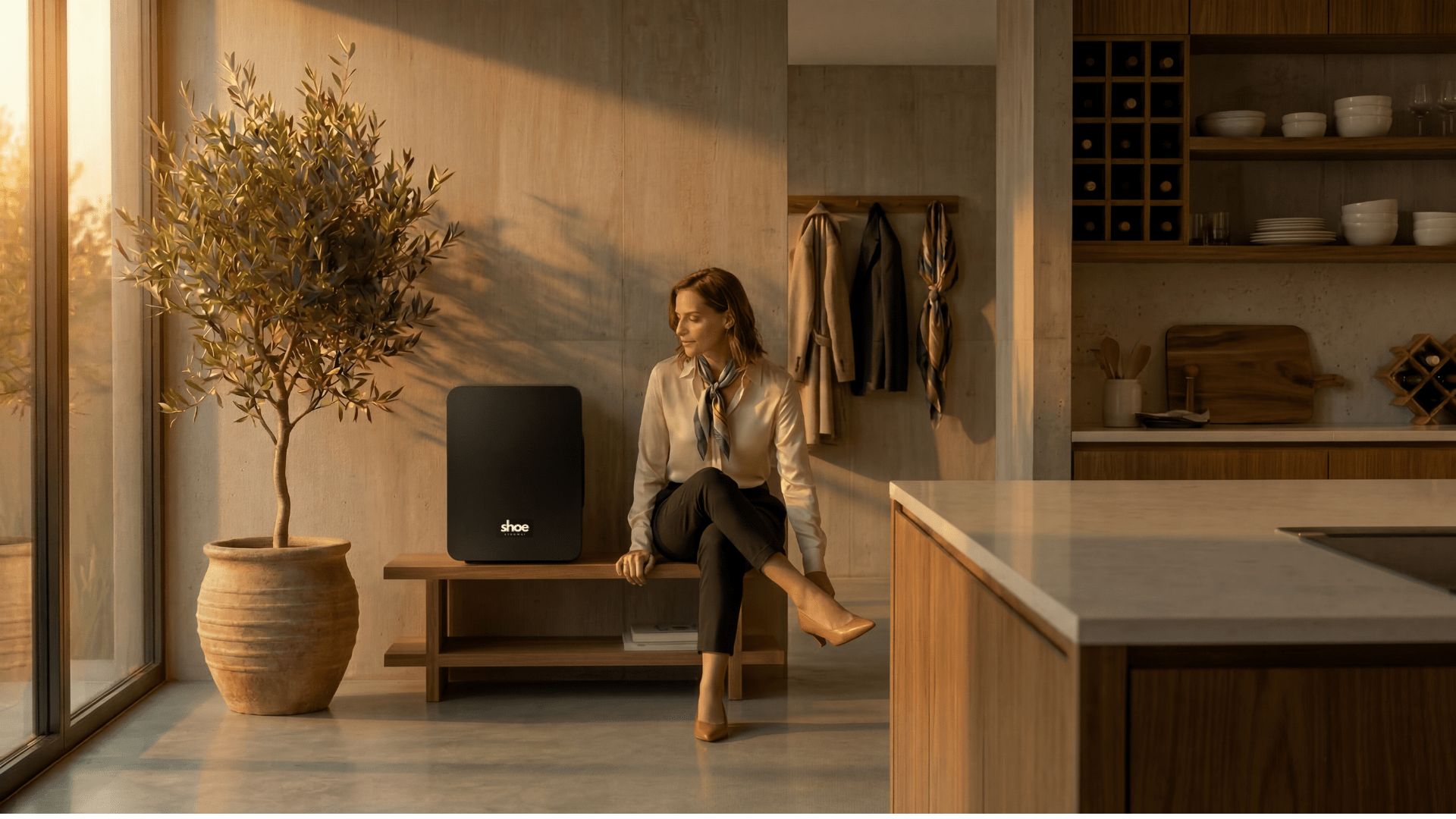
This idea inspired the design of Shoe Steamer.
Shoe Steamer was built to make footwear care simple and consistent.
By using controlled steam cycles, the system refreshes footwear between wears while helping reduce moisture and odor-causing bacteria inside the shoe.
Instead of waiting until shoes become dirty or damaged, the process supports a routine that helps maintain footwear day after day.

Why Consistency Matters
Footwear care is most effective when it becomes part of a routine rather than an occasional solution.
When shoes are refreshed regularly, it becomes easier to maintain:
• a healthier interior environment
• the structure of materials
• overall comfort during wear
Just as garments benefit from regular care, footwear can also benefit from consistent maintenance.
Wear your shoes.
Return home.
Refresh them.
Over time, that habit can help preserve the shoes you rely on every day.