
Why Washing Machines Damage Premium Footwear
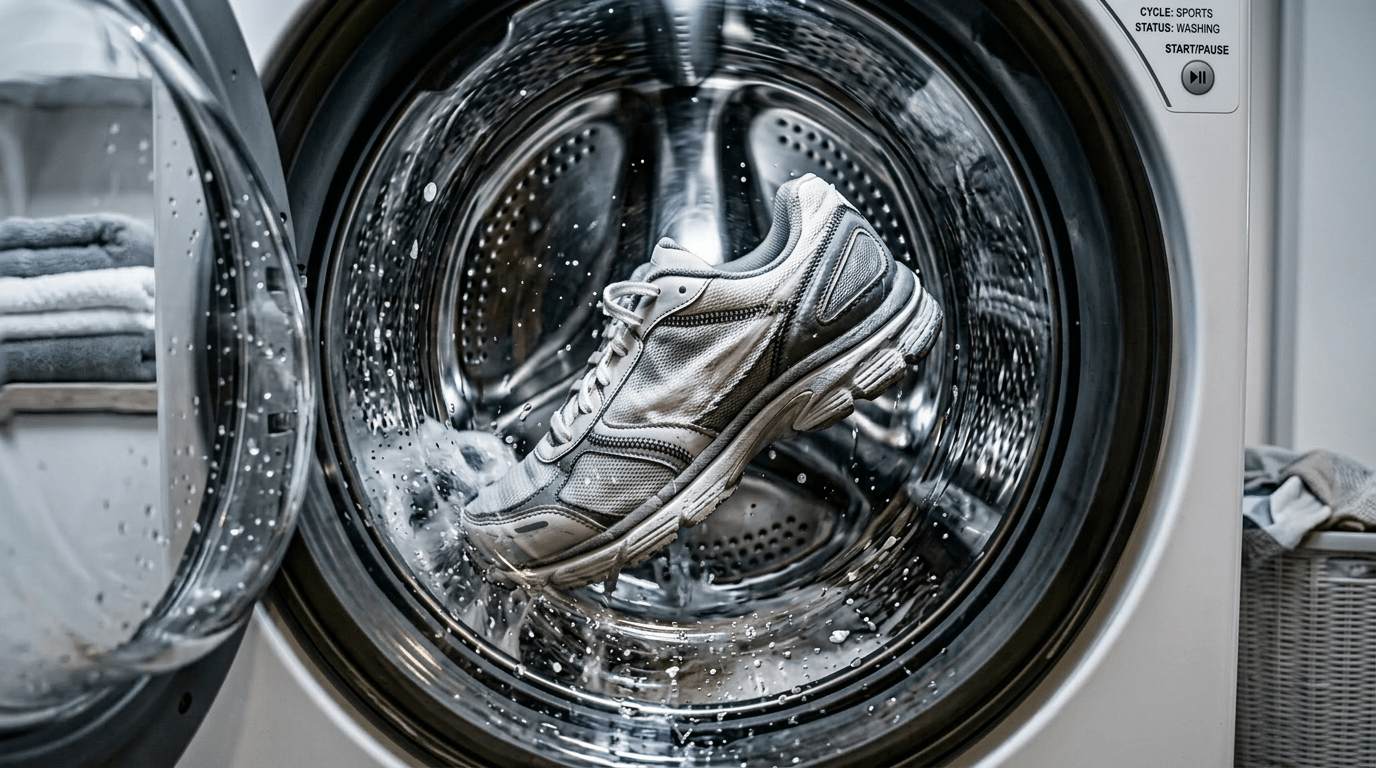
When shoes become dirty or start to smell, many people turn to the washing machine.
It seems like a quick and easy solution. After all, clothing is washed regularly — so why not shoes?
But footwear is very different from garments.
While machine washing may remove visible dirt, it can significantly shorten the lifespan of many types of footwear. Over time, repeated washing can damage materials, weaken structure, and reduce the overall durability of a shoe.
Understanding why this happens starts with how shoes are actually constructed.
Shoes Aren’t Designed for Washing Machines

Most shoes are built from multiple materials that are carefully layered and bonded together.
These can include:
• Leather or synthetic uppers
• Foam midsoles for cushioning
• Fabric or mesh linings
• Rubber outsoles
• Adhesive bonding and stitching
Each component plays a role in the comfort and structure of the shoe.
Unlike clothing, which is typically designed to withstand regular washing, footwear is engineered to maintain its shape and durability under the stresses of walking and movement.
When shoes are placed in a washing machine, they are exposed to forces that they were never designed to handle.
The Three Forces That Damage Shoes in a Washing Machine
Machine washing exposes footwear to three major stresses that gradually break down materials.
Water Saturation

Shoes are not meant to be fully soaked.
When footwear becomes saturated with water, several things can happen:
• adhesives begin to weaken
• internal cushioning absorbs moisture
• materials can lose their shape
Foam midsoles, in particular, can become compromised when repeatedly exposed to heavy moisture.
Even after drying, the shoe may never return fully to its original structure.
Mechanical Agitation

Inside a washing machine, shoes are constantly tumbled, bent, and twisted.
This mechanical agitation can stress stitching and seams while forcing the shoe to flex in unnatural ways.
Over time, this motion can lead to:
• separated soles
• distorted shape
• weakened bonding between materials
Premium footwear is especially vulnerable because many high-end materials are designed for comfort and performance — not aggressive washing cycles.
Heat During Drying

After washing, many people place shoes in the dryer.
This can be even more damaging than the wash cycle itself.
High heat can:
• shrink fabrics
• warp foam midsoles
• damage adhesives
• crack or discolor leather
Because many shoes rely on precise bonding between materials, excessive heat can permanently alter how the shoe fits and performs.
Why Washing Machines Don’t Solve the Real Problem
Another issue with machine washing is that it often targets the wrong problem.
Many people wash their shoes because of odor.
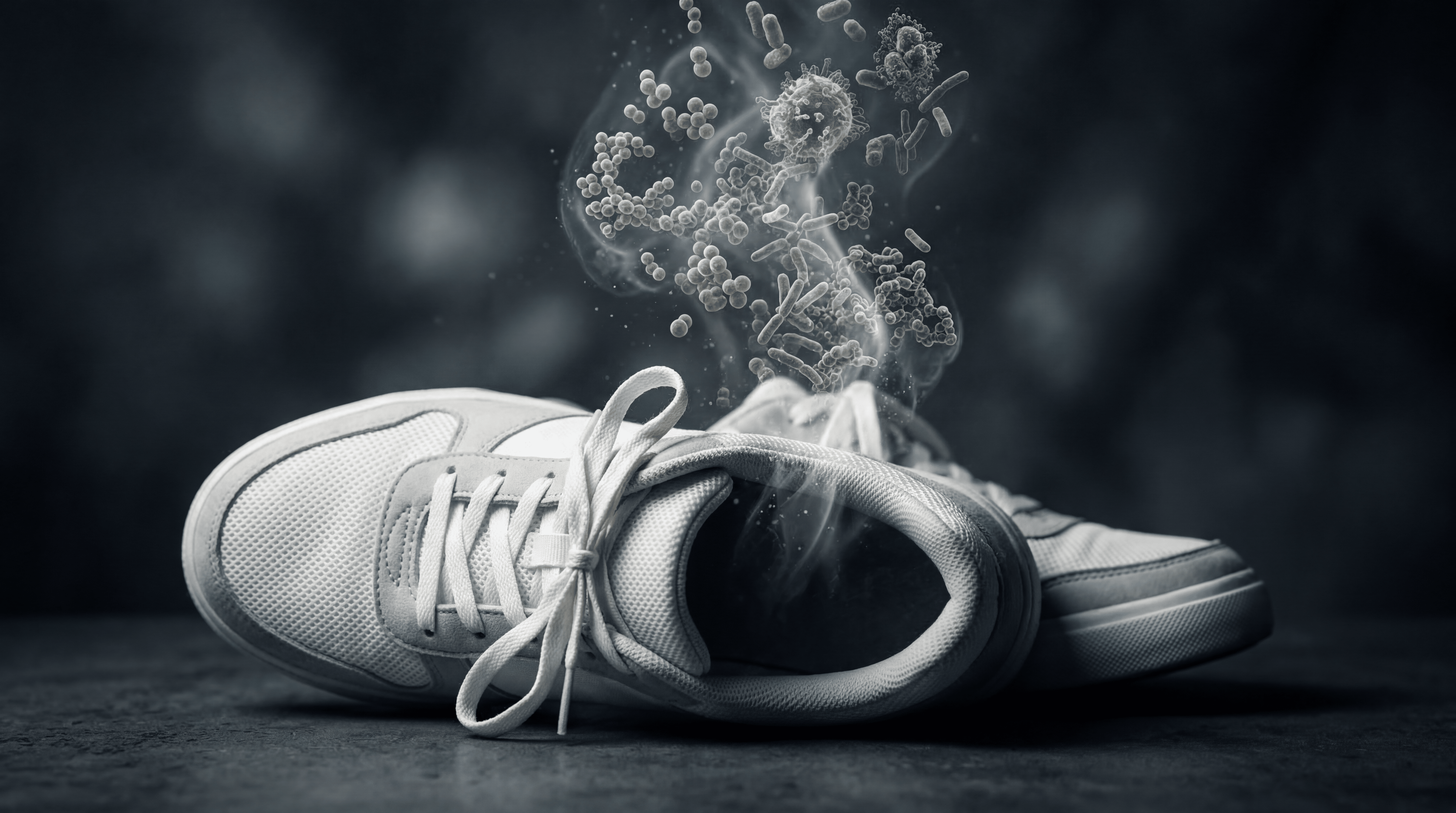
However, odor in footwear usually comes from bacteria growing inside the shoe, not just dirt on the outside.
When shoes are soaked in water, the interior may remain damp for long periods. This moisture can actually create an environment where bacteria multiply more easily.
As a result, washing may temporarily reduce odor — but the problem often returns quickly.
A Different Approach to Shoe Care
Because of these limitations, many footwear experts recommend focusing on maintaining shoes between wears rather than aggressively washing them.
Allowing shoes to dry properly and managing moisture inside the shoe helps reduce the conditions where odor-causing microbes thrive.
This approach focuses on maintaining the internal environment of the shoe rather than soaking the entire structure.
Refreshing Shoes Instead of Washing Them
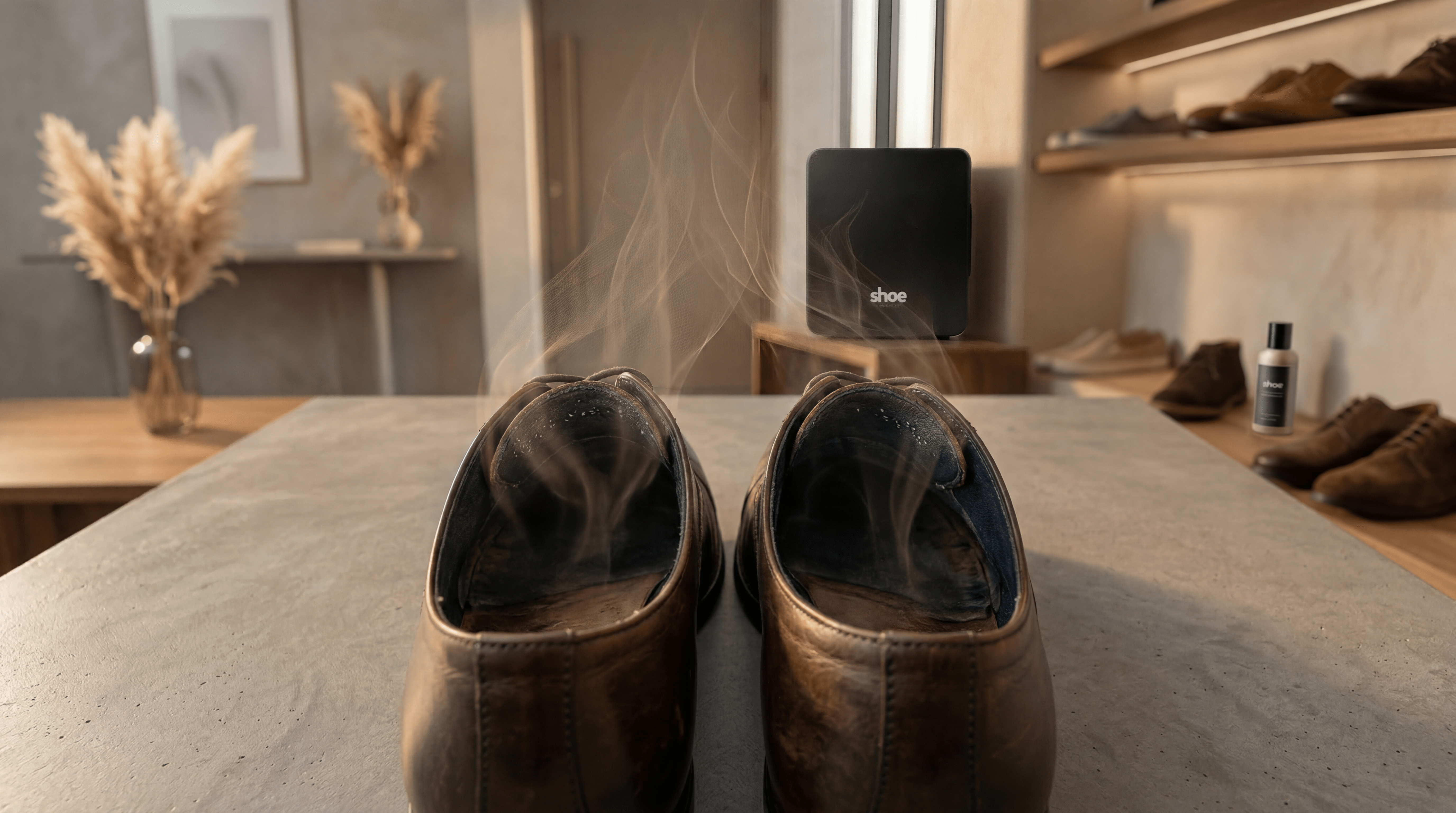
A growing number of people are shifting away from washing toward more controlled methods of care. Instead of relying on water and agitation, modern footwear care methods focus on refreshing shoes using controlled steam.
Steam can penetrate fabrics and materials while helping reduce moisture and microbial buildup without saturating the shoe.
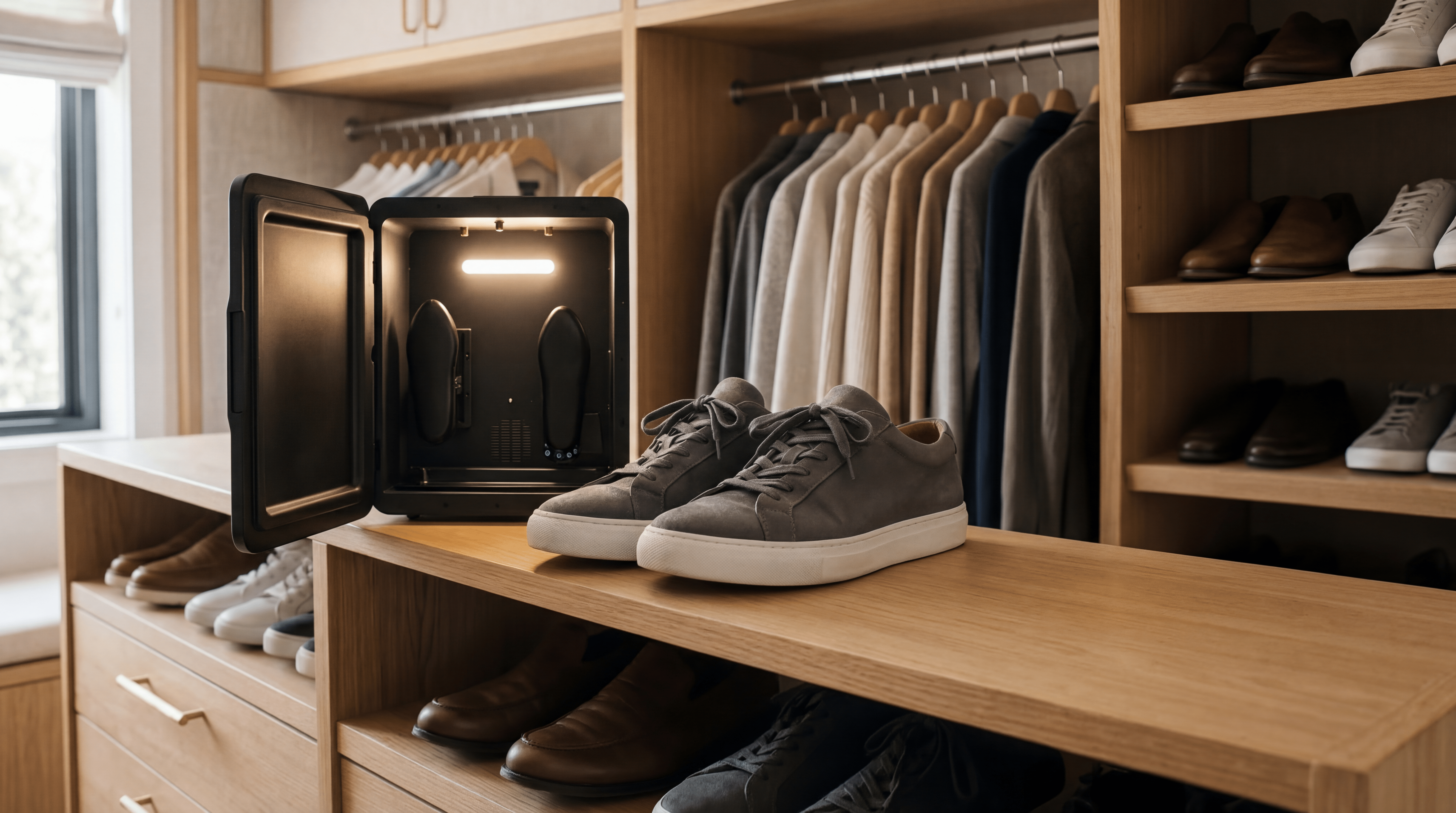
This idea inspired the design of Shoe Steamer.
Shoe Steamer uses controlled steam cycles to refresh footwear between wears, helping reduce moisture and odor-causing bacteria while preserving delicate materials.
Rather than exposing shoes to aggressive washing conditions, the process focuses on maintaining footwear more gently.
Learn more about how Shoe Steamer works →
A Better Way to Care for Your Shoes

Premium footwear is often designed with comfort, performance, and craftsmanship in mind.
But those same qualities can make shoes more sensitive to harsh cleaning methods like washing machines and dryers.
Instead of waiting until shoes become heavily soiled or develop strong odor, maintaining them regularly can help extend their lifespan.
Refreshing footwear between wears helps maintain both hygiene and material integrity.
In many ways, it’s closer to how garments are steamed than how clothing is washed.
A simple routine can help preserve the shoes you rely on every day.
Wear them.
Return home.
Refresh them.