
How Dirty Are Shoes? The Bacteria Living on Your Footwear
Most people don’t think much about how dirty their shoes actually are.
After all, shoes are designed to touch the ground. Dirt and dust are expected. But what many people don’t realize is that footwear can carry far more than visible debris.
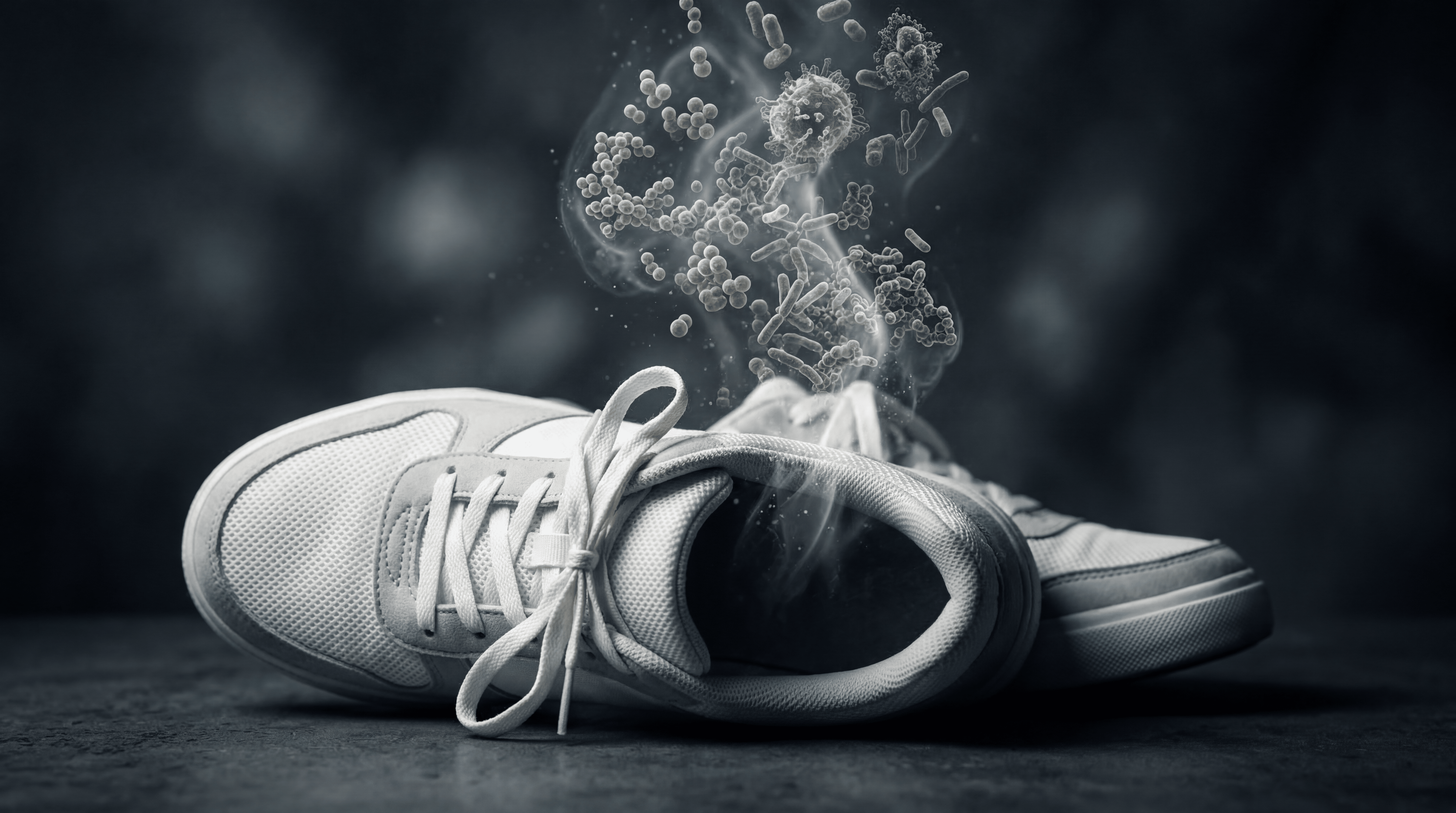
Studies examining everyday footwear have found that shoes can collect thousands of bacteria and microorganisms from the environments we walk through every day.
Sidewalks, public transportation, restaurants, hospitals, gyms, and public restrooms all leave behind microscopic contaminants on the ground. As we move through these environments, those contaminants attach to the soles and materials of our footwear.
By the time you arrive home, your shoes may be carrying much more than you realize — even if they appear perfectly clean.
What Studies Have Found on Shoes

Researchers studying everyday footwear have identified a variety of microorganisms commonly found on shoes.
Some of the bacteria frequently detected on footwear include:
• Staphylococcus aureus
• Escherichia coli (E. coli)
• Pseudomonas aeruginosa
• Clostridium difficile
Many of these microorganisms originate in high-traffic environments and areas where organic waste accumulates. Once attached to footwear, they can easily be transported between public environments and indoor spaces.
For this reason, footwear is often considered one of the largest carriers of environmental contaminants into the home.
The Problem Inside the Shoe
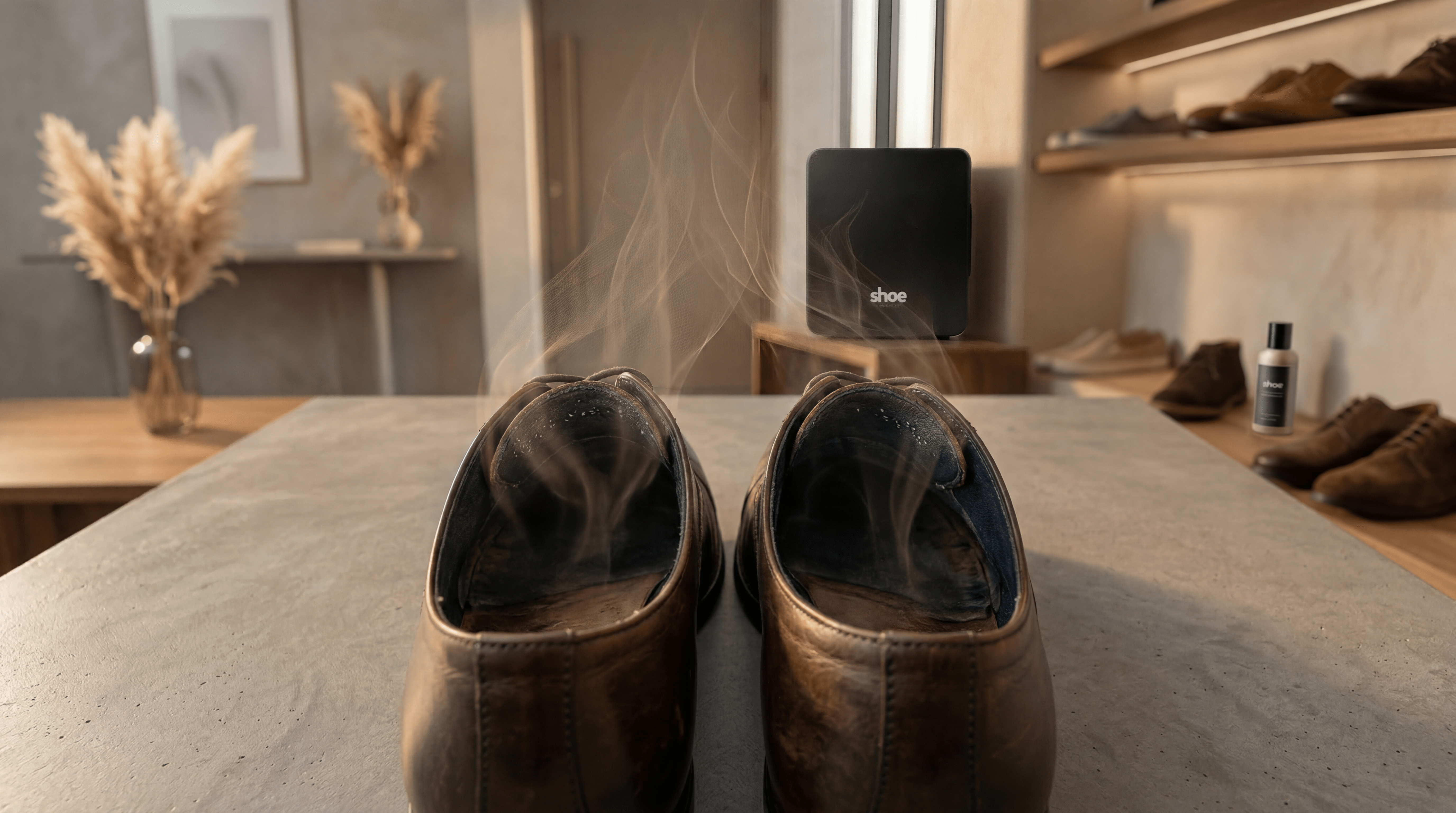
While the outside of shoes collects contaminants from the ground, the interior of footwear can also become a breeding ground for microbes.
During normal wear, shoes trap three conditions that microorganisms thrive in:
• Heat from body temperature
• Moisture from perspiration
• Limited airflow inside the shoe
Together these create an environment where bacteria and fungi can multiply between uses.
Over time, this buildup can lead to:
• Persistent odor
• Microbial accumulation
• Reduced material lifespan
• A less hygienic environment for the feet
Most people never see what is happening inside their shoes — but the effects eventually become noticeable.
Why Shoes Are Difficult to Clean
Cleaning footwear properly can be surprisingly difficult.
Washing machines expose shoes to water saturation, mechanical agitation, and heat — conditions that can weaken adhesives and distort the structure of many shoes.
Chemical sprays and powders may temporarily mask odor, but they often fail to address the microorganisms responsible for producing it.
Because of these limitations, many shoes are simply worn again and again without being properly refreshed between uses.
Over time, moisture, microbes, and environmental contaminants continue to accumulate.
Rethinking Footwear Hygiene
Just as clothing benefits from regular washing or steaming, footwear also benefits from care between wears.

Allowing shoes to dry properly and refreshing their interior environment can help maintain both hygiene and the longevity of materials.
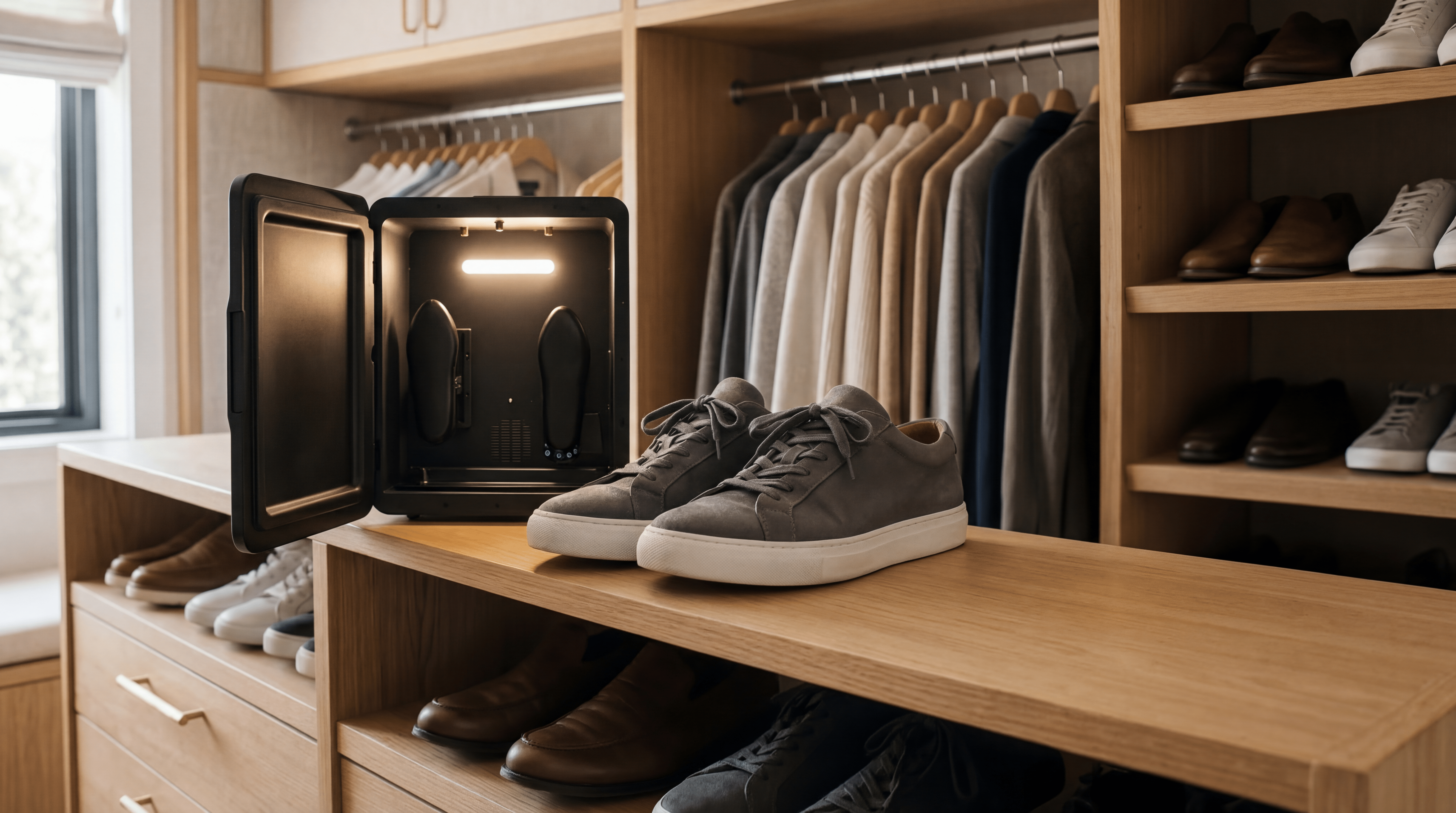
Shoe Steamer was designed around this idea. Using controlled steam cycles, it helps refresh footwear between wears by reducing moisture and microbial buildup inside the shoe — without exposing materials to the harsh conditions of traditional washing.
Instead of waiting until shoes are visibly dirty, it introduces a simple routine for maintaining footwear every day.