
How Steam Sanitization Works (And Why Hospitals Use It)
Steam has been used for decades as one of the most effective methods for sanitizing surfaces, fabrics, and equipment.
Hospitals, laboratories, and professional cleaning environments rely on steam because of its ability to penetrate materials and neutralize microorganisms without relying on harsh chemicals.
Unlike many chemical disinfectants, steam uses heat and vapor to sanitize surfaces. When applied correctly, it can reach areas that traditional cleaning methods often miss.
Because of these properties, steam has become one of the most trusted sanitation methods in healthcare, hospitality, and professional cleaning environments.
Why Steam Is So Effective at Sanitization
Steam works through a combination of heat and vapor penetration. This same principle is what makes steam effective across both professional sanitation and everyday material care.
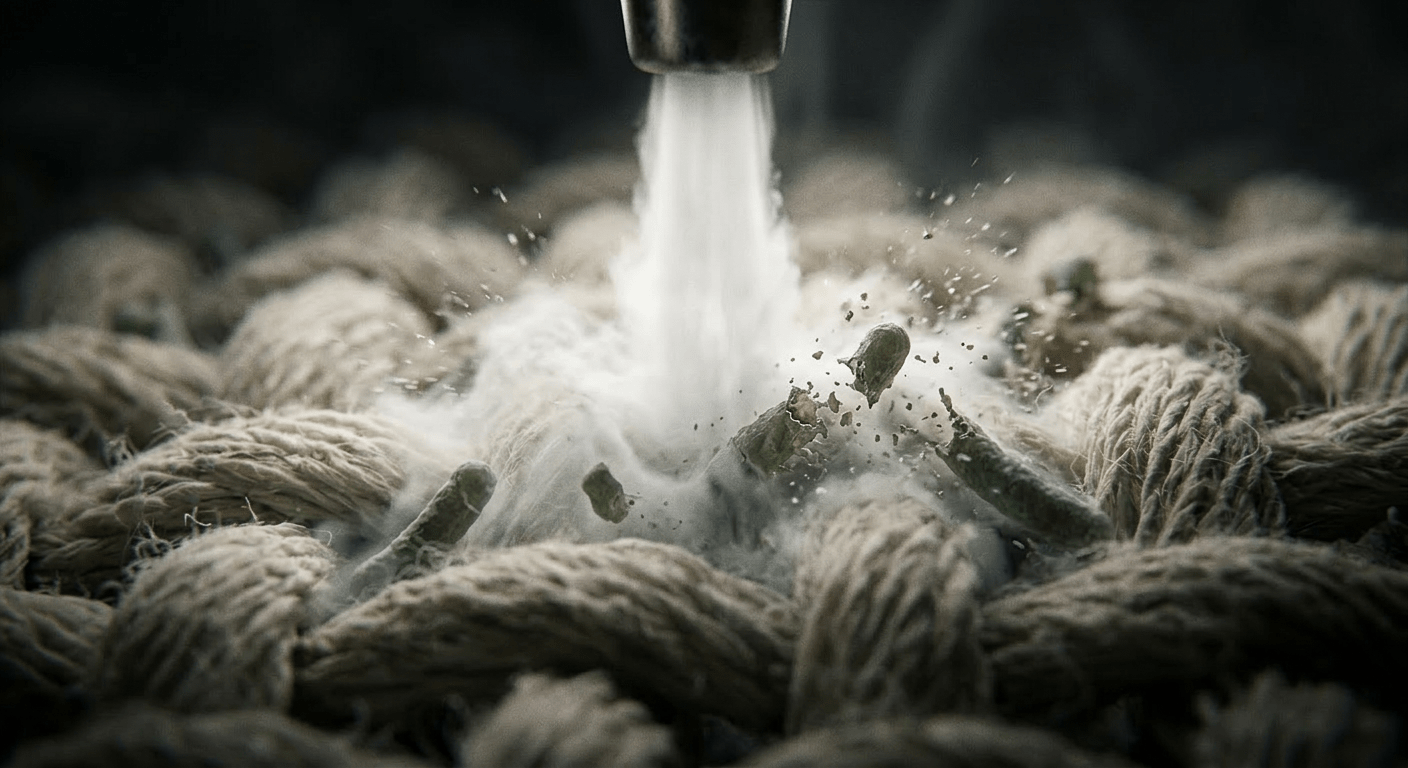
When high-temperature steam contacts a surface, it disrupts the structure of many bacteria, fungi, and other microorganisms. Heat damages cellular proteins and membranes, preventing microbes from surviving.
At the same time, steam vapor is able to move into small crevices, fibers, and porous materials where microbes often hide.
This combination of heat and penetration makes steam especially effective for materials that are difficult to clean thoroughly.
Where Steam Sanitization Is Used
Because of its ability to sanitize without chemicals, steam is widely used in environments where hygiene is critical.
Examples include:
• Medical instruments and equipment
• Hospital textiles and bedding
• Laboratory surfaces
• Upholstery and fabrics
• Commercial kitchens
• Hard-to-reach surfaces
In hospitals, specialized steam systems called autoclaves are used to sterilize surgical instruments and laboratory tools.
While these systems operate at extremely high temperatures and pressures, the underlying principle remains the same: steam penetrates surfaces and destroys microorganisms through heat.
This long history of use is one reason steam is considered one of the most reliable sanitation methods available.
Why Steam Works Well on Fabrics and Textiles
Many materials contain fibers and microscopic gaps where bacteria can hide.
Traditional cleaning methods often struggle to reach these areas.
Steam, however, behaves differently from liquid water.
Because steam exists as a vapor, it can move through fabrics and materials more easily than water alone. When it condenses, it releases heat energy that helps neutralize microorganisms within those fibers.
This is why steam is commonly used to sanitize:
• upholstery
• mattresses
• carpets
• clothing and garments
In many professional environments, steam is used not only to clean fabrics but also to refresh them between uses.
Why Footwear Is Difficult to Clean
Footwear presents a unique challenge when it comes to sanitation.
Most shoes contain multiple layers of material, including:
• fabric or leather uppers
• foam cushioning
• stitched seams
• interior linings
During normal wear, these layers trap:
• heat from body temperature
• moisture from perspiration
• limited airflow inside the shoe
Together, these conditions create an environment where bacteria and fungi can accumulate between wears.
However, cleaning shoes properly is difficult.
Traditional washing methods often expose footwear to:
• excessive water
• mechanical agitation
• high heat
These conditions can distort structure, weaken adhesives, and shorten the lifespan of premium materials.
Because of these limitations, many shoes are simply worn again without being properly refreshed.

A Smarter Approach to Footwear Care
Because shoes are difficult to wash without damage, many people are beginning to rethink how footwear should be maintained.
Instead of aggressively cleaning shoes with water or chemicals, a better approach is often to refresh footwear between wears.
This is where steam becomes useful.
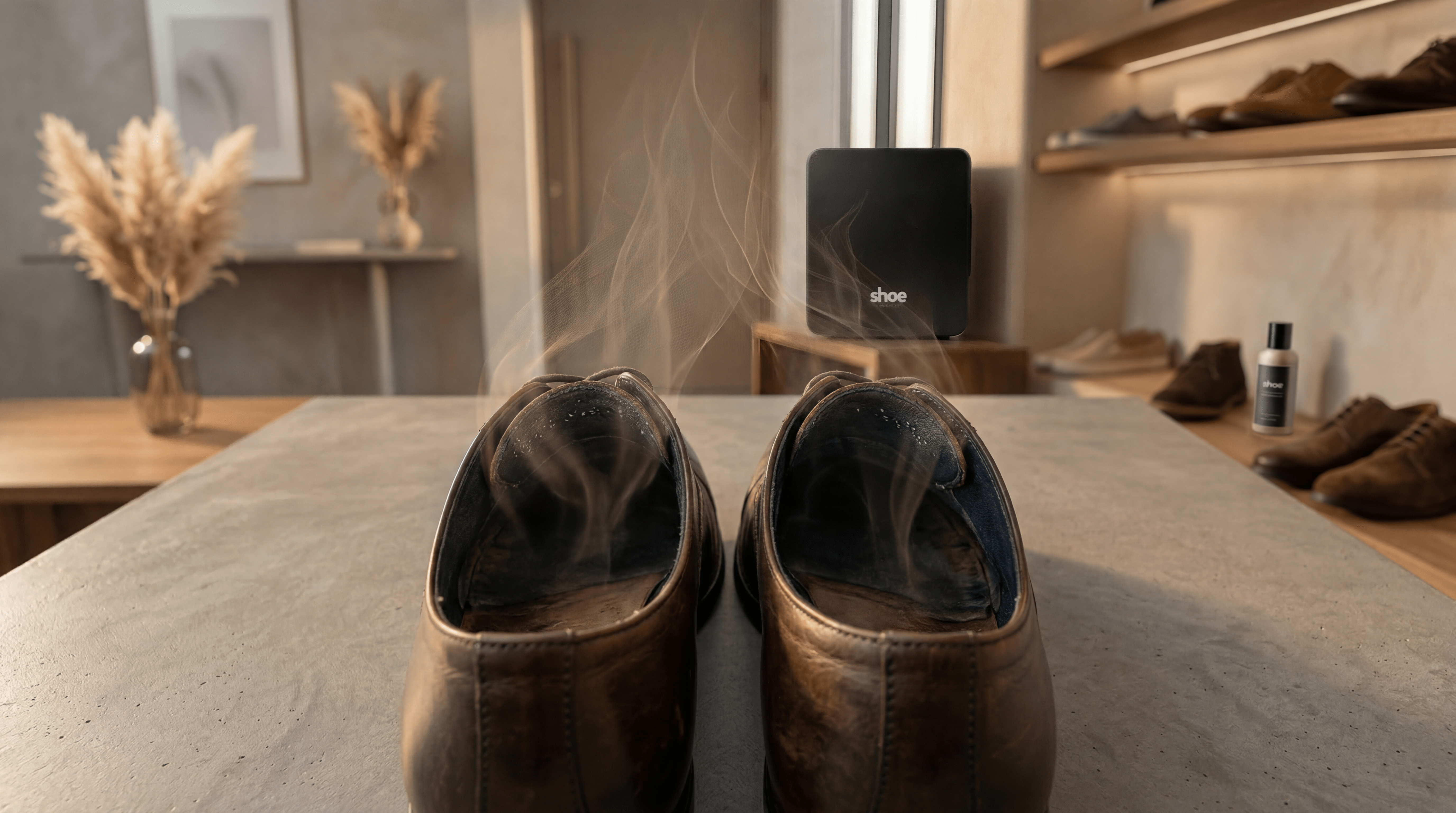
Steam can penetrate fabrics and materials while helping reduce moisture and microbial buildup without soaking the shoe.
This approach focuses on maintaining the internal environment of the shoe, rather than aggressively washing the entire structure.
Steam, Designed Specifically for Footwear
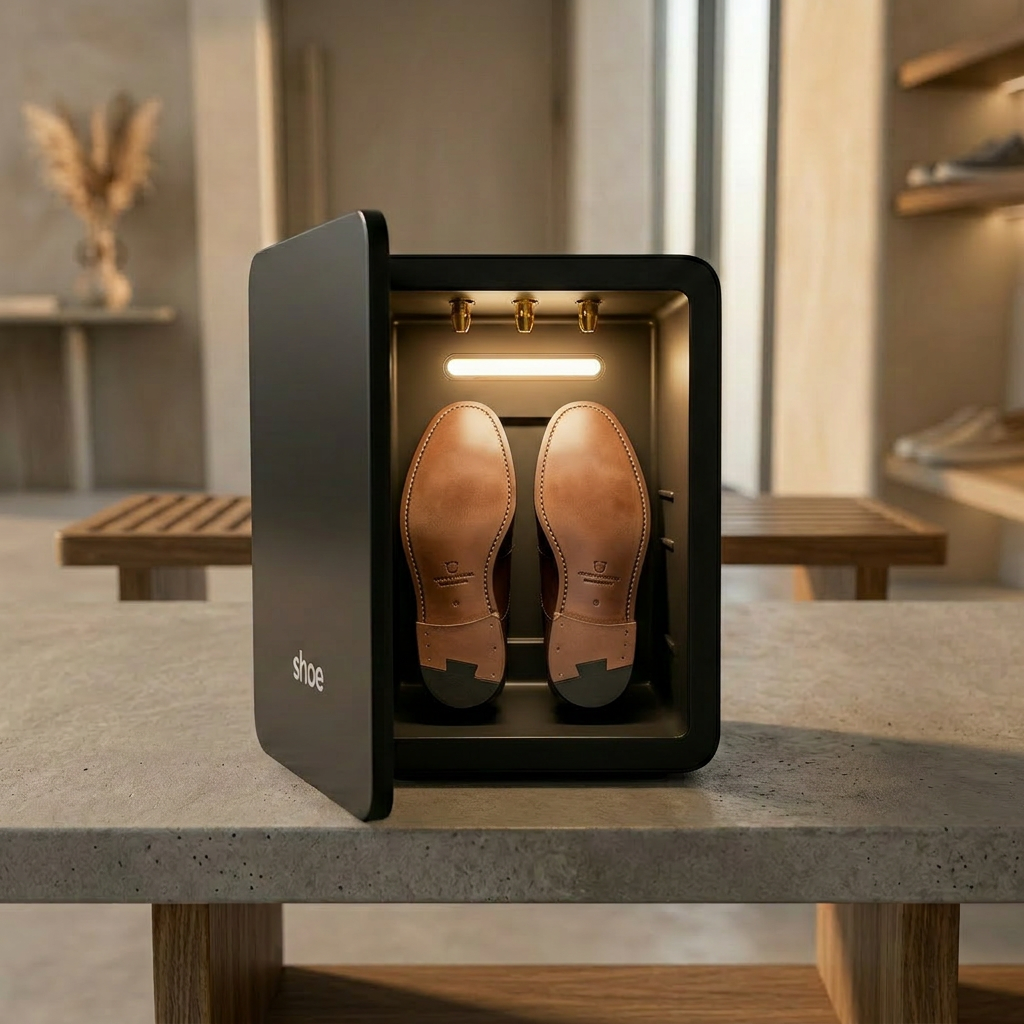
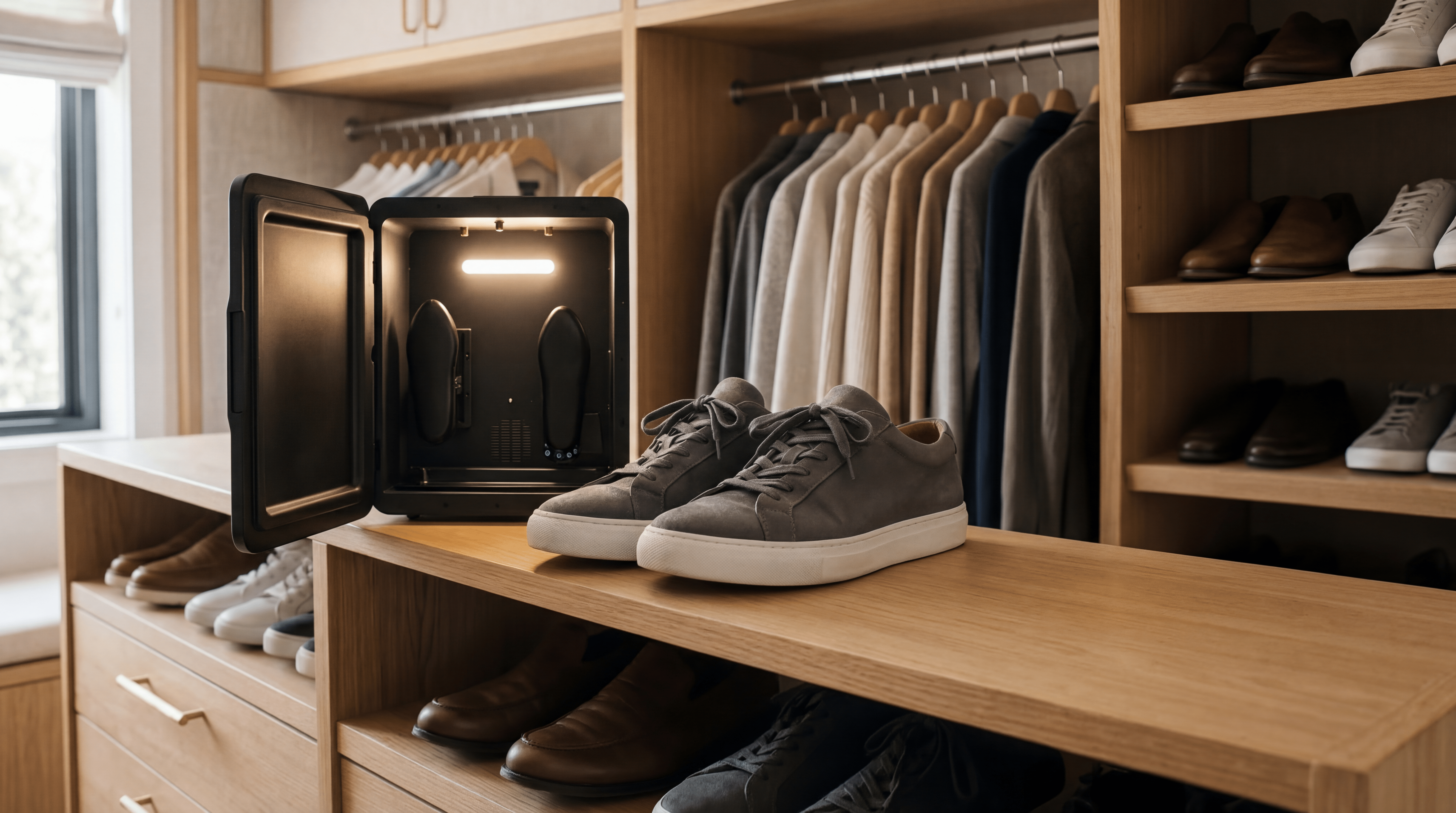
This idea inspired the design of Shoe Steamer.
Shoe Steamer applies controlled steam cycles designed to refresh the interior environment of footwear. Instead of soaking shoes in water or exposing them to harsh detergents, steam is used to help reduce moisture and odor-causing bacteria between wears.
By using controlled steam cycles, the system helps:
• reduce internal moisture
• limit microbial buildup
• maintain the internal environment of footwear
• preserve delicate materials over time
Rather than treating shoes only when they become visibly dirty, this approach introduces a consistent footwear care routine.
Learn more about how Shoe Steamer works →
A Modern Approach to Footwear Hygiene
Steam sanitation has been trusted in professional environments for decades.
By adapting this concept to footwear care, it becomes possible to maintain shoes more effectively between wears.
Instead of waiting until shoes develop odor or visible wear, refreshing them regularly helps maintain both hygiene and material longevity.
A simple routine can make a meaningful difference:
Wear your shoes.
Return home.
Refresh them.
Over time, that habit helps maintain the condition of the footwear you rely on every day.