
Article: Why Your Shoes Are the Dirtiest Thing You Bring Into Your Home
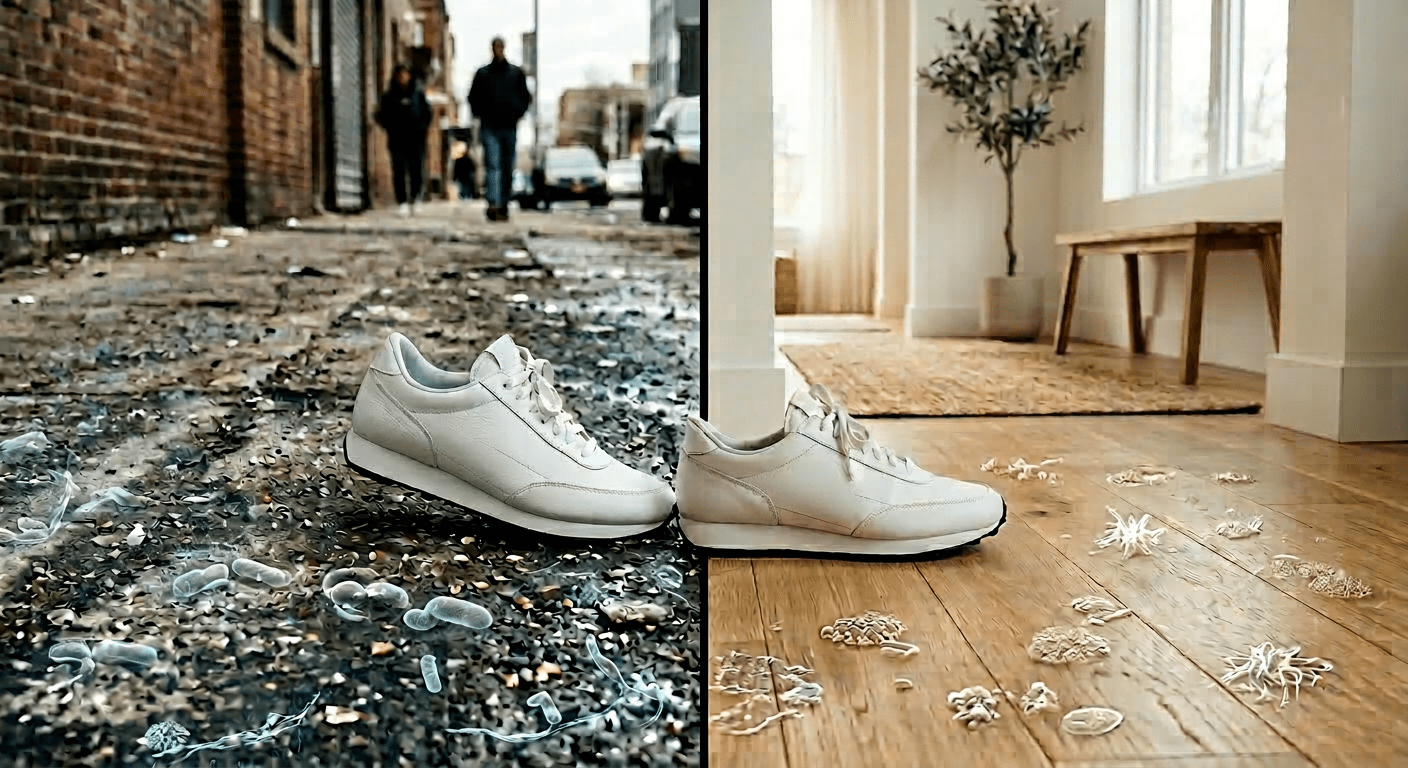
Why Your Shoes Are the Dirtiest Thing You Bring Into Your Home
Most people think about germs in obvious places like bathrooms, kitchens, or public surfaces. These environments are often associated with bacteria and contamination, so we instinctively clean them more frequently.
But one of the largest carriers of bacteria into your home is something most people rarely think about: your shoes.
Every day, footwear travels through sidewalks, public transit, restrooms, hospitals, gyms, restaurants, and parking lots. These environments are exposed to thousands of people and countless contaminants. As we walk across these surfaces, microscopic particles attach to the soles and materials of our shoes.
By the time we arrive home, our footwear may be carrying far more than visible dirt.
And once inside, those contaminants can easily spread across floors, carpets, and other surfaces throughout the home.
Understanding what lives on footwear—and how it accumulates—helps explain why shoes are often considered one of the dirtiest items we bring indoors every day.
What Actually Lives on Your Shoes
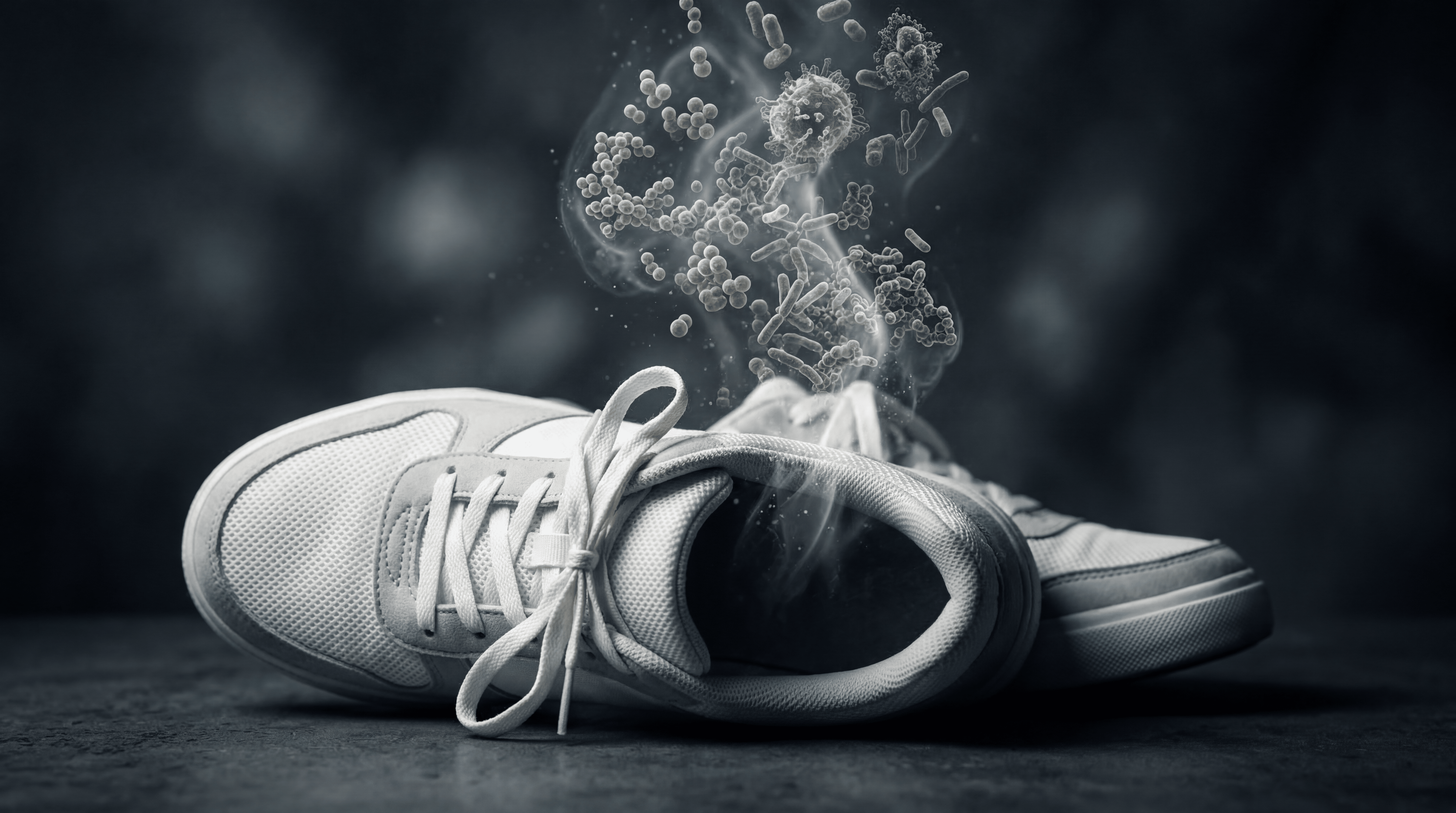
Scientific studies examining everyday footwear have found that shoes frequently carry a wide range of microorganisms.
Research analyzing shoe soles and interiors has detected bacteria such as:
• Staphylococcus aureus
• Escherichia coli (E. coli)
• Pseudomonas aeruginosa
• Clostridium difficile
These microorganisms are commonly found in environments with high foot traffic and organic waste. Public restrooms, sidewalks, and transportation hubs often contain microbial residues that remain on surfaces long after people pass through them.
Because shoes come into direct contact with these surfaces, they act as vehicles that transport microorganisms from public environments into private spaces.
In fact, several studies have shown that footwear can carry hundreds of thousands of bacteria per square inch on the soles alone.
Even when shoes appear visually clean, microscopic contaminants can still remain present.

How Bacteria Travel From Outdoors to Indoors
The process is simple.
When shoes move across contaminated surfaces, microorganisms attach to the textured materials of the sole. These microbes can remain attached for extended periods and are easily transferred to other surfaces.
Once inside the home, footwear may spread these particles across:
• Entryways and floors
• Carpets and rugs
• Hardwood and tile surfaces
• Upholstered furniture
• Children’s play areas
This is why many households adopt a no-shoes policy indoors.
However, even when shoes are removed at the door, bacteria and moisture can still remain inside the footwear itself.
And that leads to another important issue: what happens inside the shoe.
The Problem Inside the Shoe
While the exterior of footwear collects contaminants from the ground, the interior environment of a shoe creates ideal conditions for microorganisms to grow.
During normal wear, shoes trap three key elements that microbes thrive in:
• Heat from body temperature
• Moisture from perspiration
• Limited airflow
Together, these conditions create a warm, humid space where bacteria and fungi can multiply between uses.
Over time, this buildup can lead to several common issues, including:
• Persistent shoe odor
• Microbial accumulation inside materials
• Reduced lifespan of footwear
• An unhealthy environment for the feet
This is also one reason fungal infections such as athlete’s foot can spread easily through footwear that remains damp between wears.
While the outside of shoes collects microbes from the environment, the inside of the shoe can become a place where those microorganisms continue to grow.
Why Shoes Develop Odor Over Time
One of the most noticeable signs of microbial growth in footwear is shoe odor.
Many people assume the smell comes directly from sweat. But sweat itself is largely odorless.
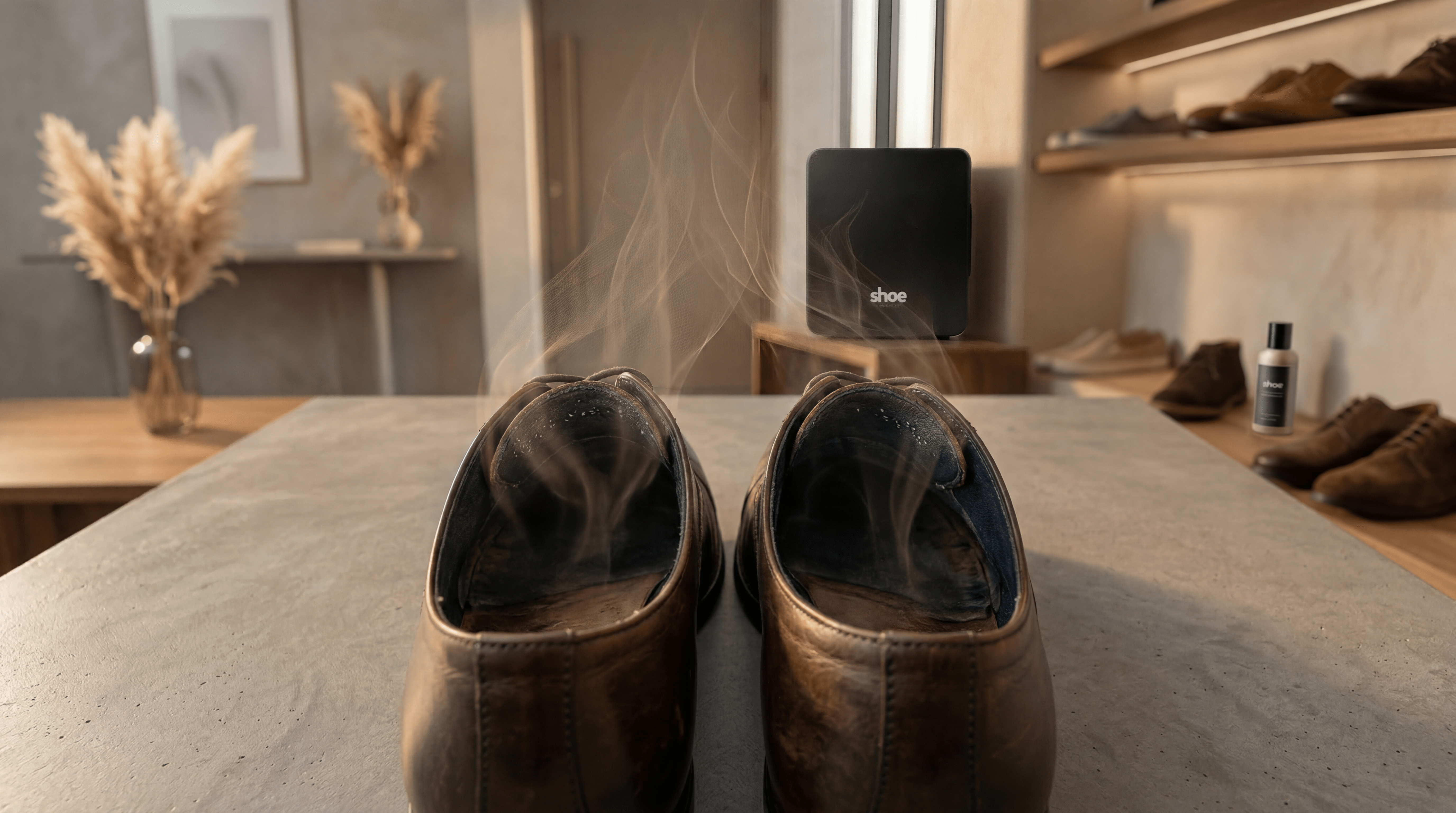
The odor actually develops when bacteria inside the shoe begin breaking down sweat and dead skin cells. This process produces compounds that create the unpleasant smells commonly associated with worn shoes.
When footwear is worn repeatedly without proper drying or ventilation, bacteria multiply more easily and odor becomes stronger over time.
Because many shoes are worn day after day, this cycle continues unless the internal environment of the shoe is refreshed.
Why Cleaning Shoes Is Surprisingly Difficult
Unlike clothing, footwear isn’t designed to be washed frequently.
Most shoes are constructed using adhesives, layered fabrics, foams, and structured materials that can be damaged by excessive moisture or agitation.
As a result, traditional cleaning methods often create new problems.
Washing Machines
Many people attempt to clean shoes by placing them in the washing machine.
While this may remove visible dirt, washing machines expose footwear to:
• Water saturation
• Mechanical agitation
• Heat from drying cycles
These conditions can weaken adhesives, distort shape, and shorten the lifespan of premium materials.
Learn more on how washing machines damage shoes.
Sprays and Deodorizing Products
Another common solution is using sprays or powders designed to mask odor.
While these products may temporarily improve smell, they often do not address the microorganisms responsible for producing the odor in the first place.
Because of these limitations, many shoes are simply worn again without being properly refreshed between uses. Over time, moisture, microbes, and environmental contaminants continue to accumulate.

|
 |

|
A Better Way to Refresh Footwear
Because traditional cleaning methods fall short, a growing number of people are beginning to think about footwear care differently.
Instead of aggressively washing shoes, the goal is to refresh footwear between wears.
Allowing shoes to dry properly and maintaining their internal environment can help reduce moisture, limit microbial growth, and extend the lifespan of materials.
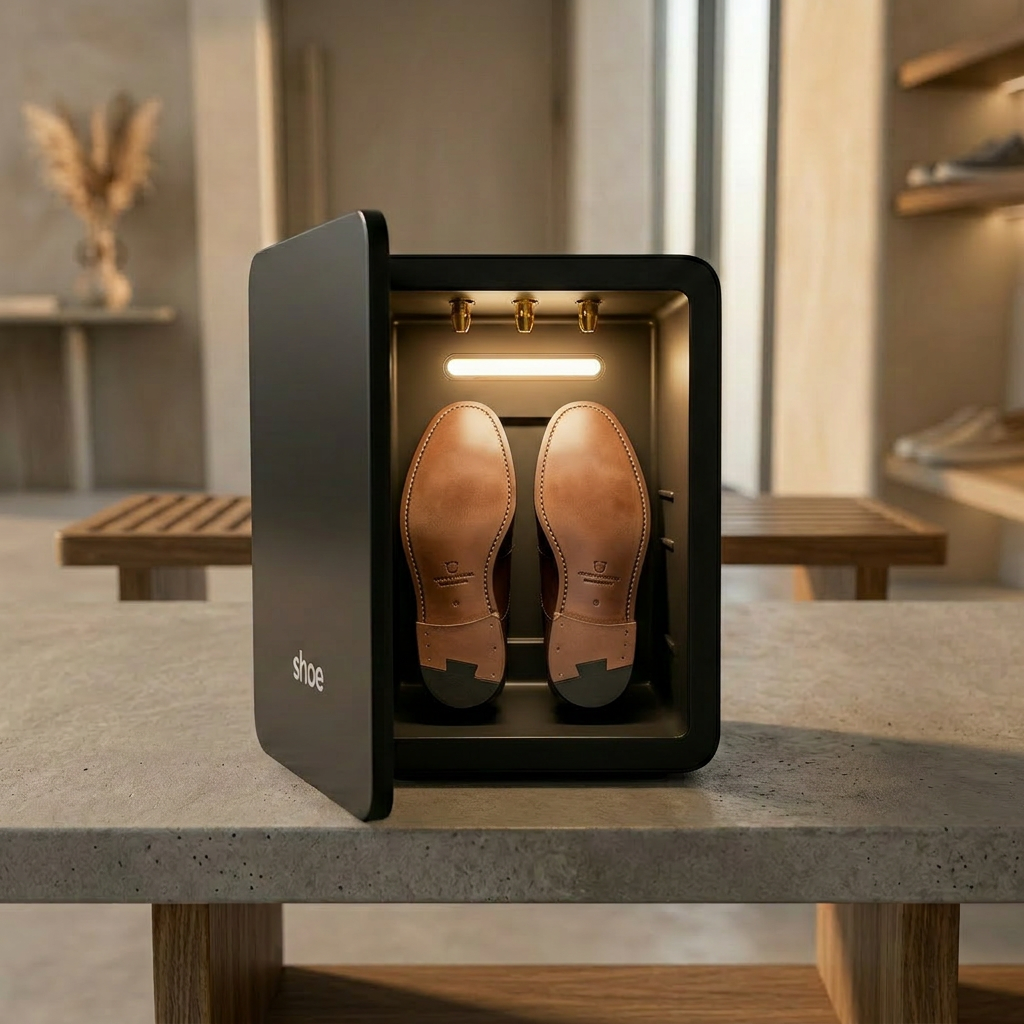
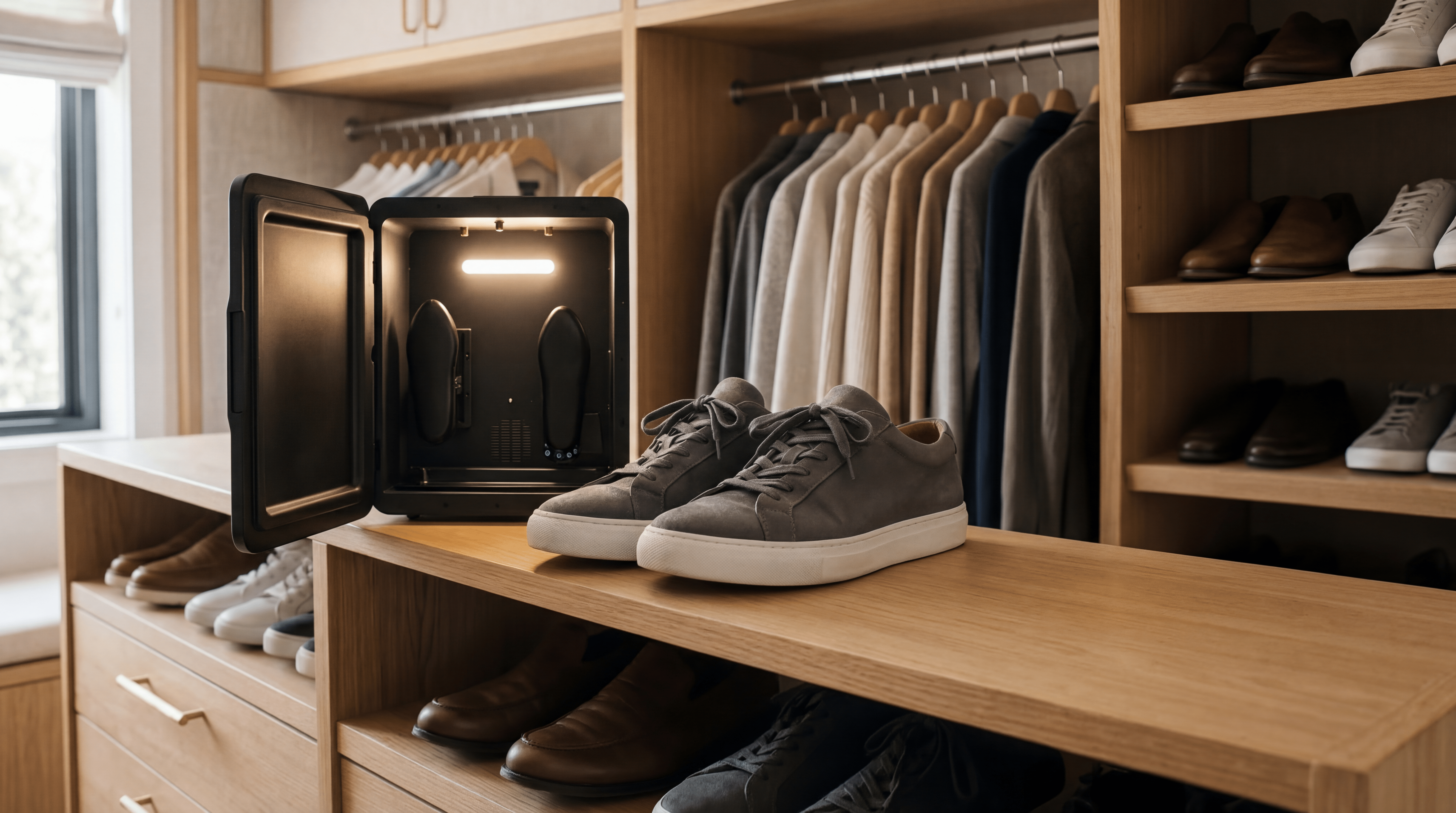
This is the idea behind Shoe Steamer.
The system uses controlled steam cycles designed to refresh footwear between uses. Steam helps penetrate fabrics and interior materials while reducing moisture and microbial buildup inside the shoe.
Rather than waiting until shoes become visibly dirty, this approach focuses on consistent care between wears.
Learn more about how Shoe Steamer refreshes footwear →
Turning Footwear Care Into a Simple Routine
Clothing is washed between uses.
Garments are hung or steamed after being worn.
But footwear—despite enduring constant exposure to outdoor environments—rarely receives the same level of care.
Most people only think about cleaning their shoes when they become visibly dirty.
However, microbial buildup begins long before dirt becomes noticeable.
Refreshing shoes between uses helps maintain both hygiene and material longevity as part of a simple daily routine.
Wear your shoes.
Return home.
Refresh them.
Over time, that simple habit can change how footwear ages, how it smells, and how it feels to wear.
A Smarter Way to Care for Your Shoes
Your shoes travel through some of the most contaminated environments you encounter every day.
Sidewalks. Airports. Public transportation. Restrooms. Gyms.
Yet most footwear is worn repeatedly without being refreshed between uses.
Shoe Steamer was designed to change that.
By using controlled steam cycles, it refreshes footwear between wears by reducing moisture, limiting microbial buildup, and helping maintain the internal environment of your shoes.
A simple routine can make a meaningful difference.
Wear your shoes.
Return home.
Refresh them.